Case Study
Berwick Academy
We were commissioned by Northumberland County Council to support Berwick Academy to address the issue of peer sexual abuse.
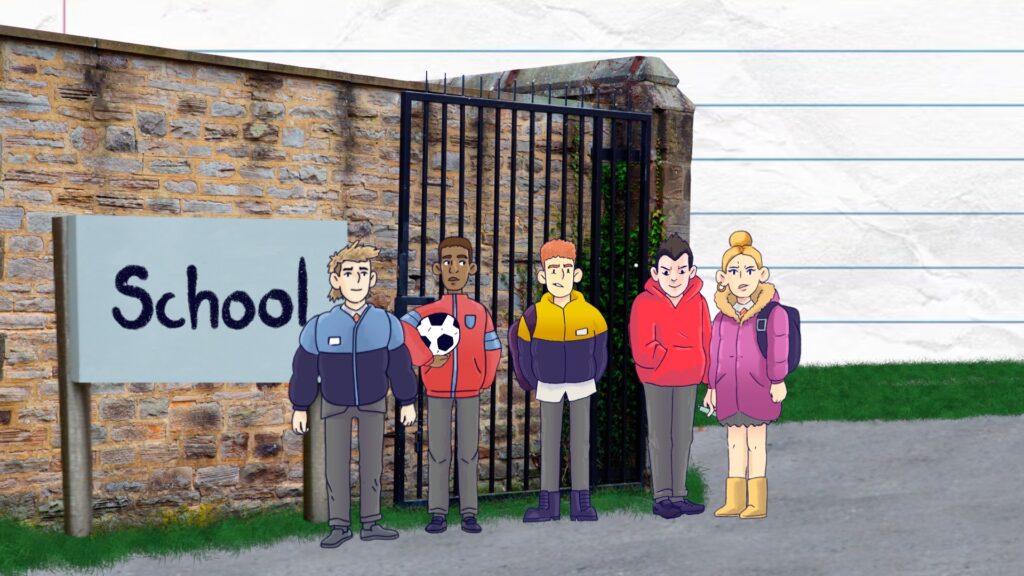
Supporting a school transition
Northumberland County Council are an innovative local authority committed to trialling new approaches to issues such as domestic abuse and sexual violence. They attended the webinar where we shared the outcomes of the project in which we had developed the Weaving Stories animation and were keen to see the content used in their area.
Their Domestic Abuse and Sexual Violence Lead and Schools Safeguarding Consultant identified a school they knew to be going through a period of transition, from a Middle School to a Secondary School, for whom our intervention could be of value. And on their initial approach, the school’s Designated Safeguarding Lead responded positively to the opportunity to receive our input.
What we delivered together
Understanding the need
We held discussions with both the Lead Schools Safeguarding Consultant from Northumberland County Council and the Designated Safeguarding Lead for Berwick Academy to make sure to understand the nature of the need for our support and shape our learning offer to reflect this.
Safeguarding team training day
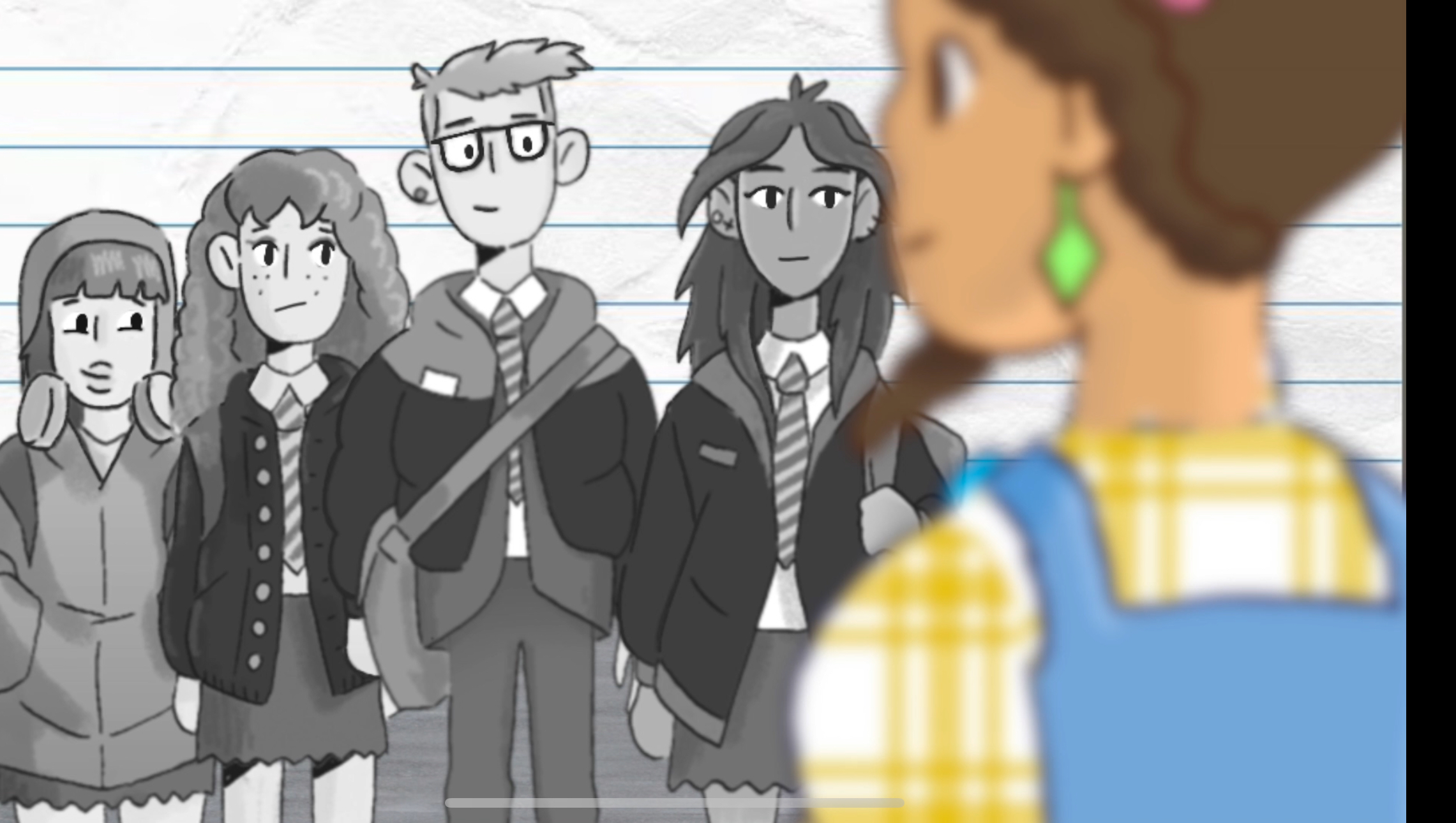
Our Managing Director, Lisa Davis, led an intensive training day for a select group of pastoral and safeguarding leads, using Weaving Stories, and the research insights gathered during its development, to highlight young people’s experiences and perceptions around peer sexual abuse and consider the implications of this as part of a whole school approach to the issue.
Student carousel day
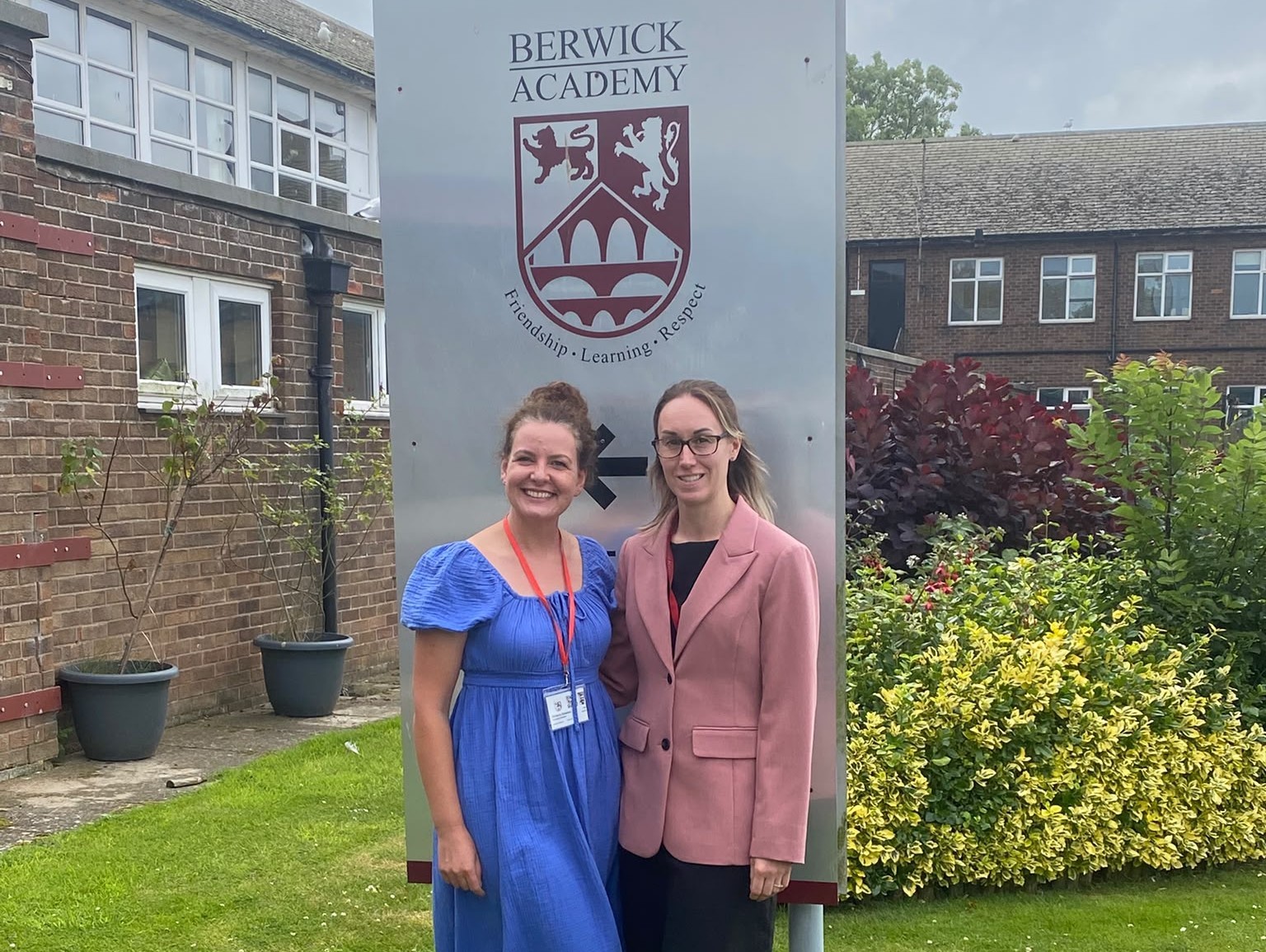
Our fabulous creative facilitator Victoria Downes led a carousel day for Year 9 students, using our Weaving Stories animation to highlight the impact of seemingly small everyday behaviours of an unwanted sexual nature and consider the action young people can take if they observe things that make their peers uncomfortable.
Outcomes

Educator insight
Staff valued gaining insight into the topic of peer sexual abuse from a young person’s perspective and felt confident and motivated to implement new actions and strategies in school as a result.

Increased understanding
Young people had a greater appreciation of the impact of “low level”, highly normalised, yet nevertheless unwanted sexual behaviours – not just bants – that make their peers feel uncomfortable and affect their wellbeing.

Awareness of options
Young people recognised the options available when they see behaviours making someone uncomfortable – being an active bystander doesn’t only mean calling out harmful behaviour – we could check in with the person affected or go with them to a trusted adult.