


Project
Stepping Out Of the Box
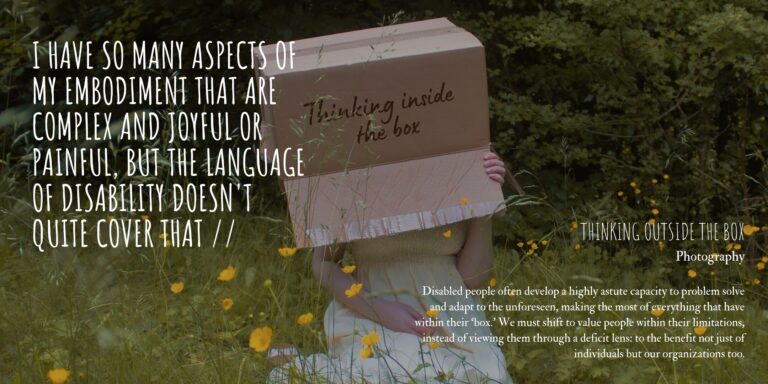
Exploring the impact that trying to fit into the ‘boxes’ of masculine and feminine stereotypes can have on identity, aspirations and wellbeing.
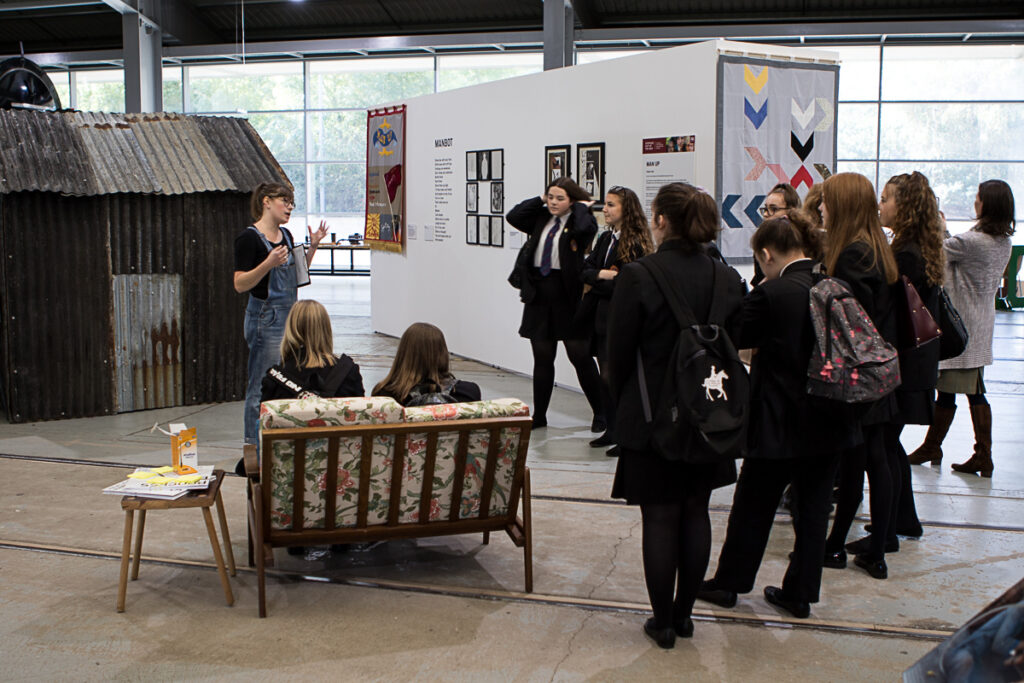
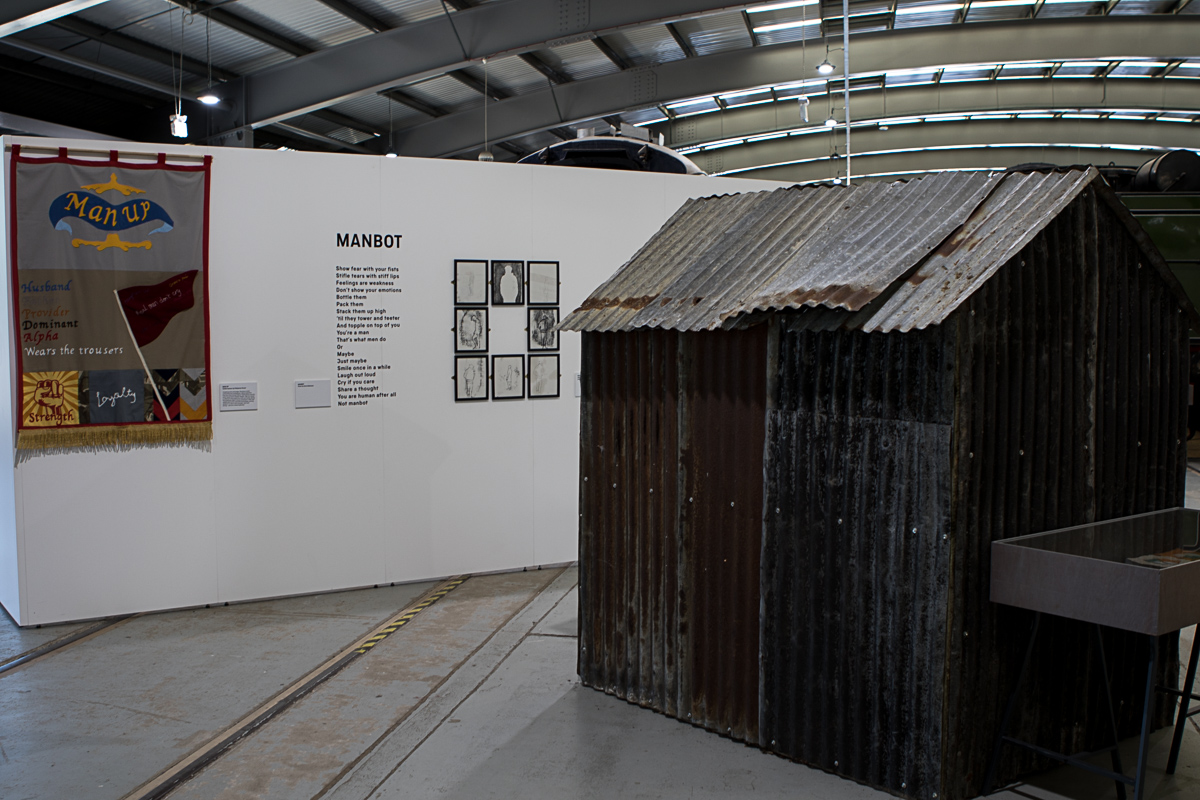
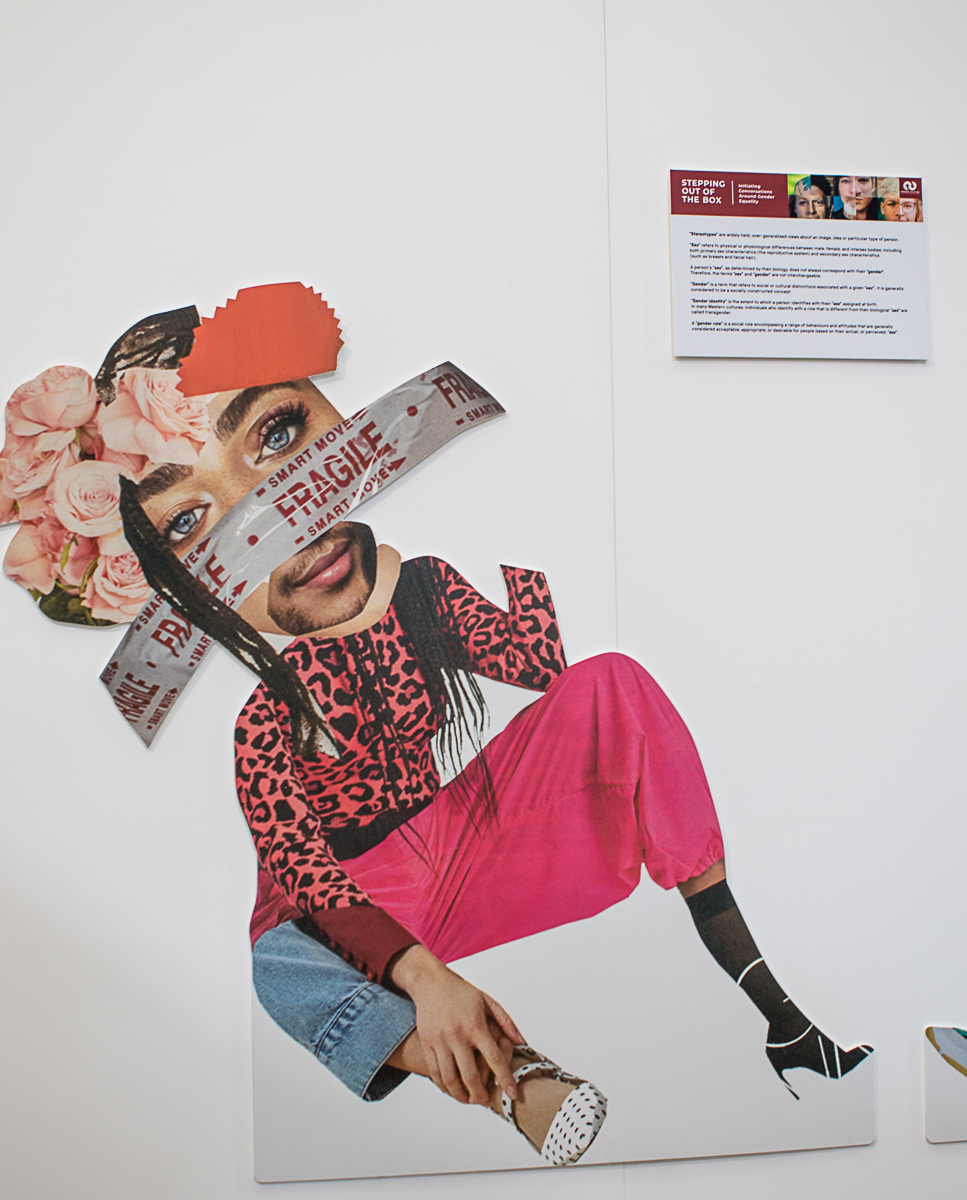
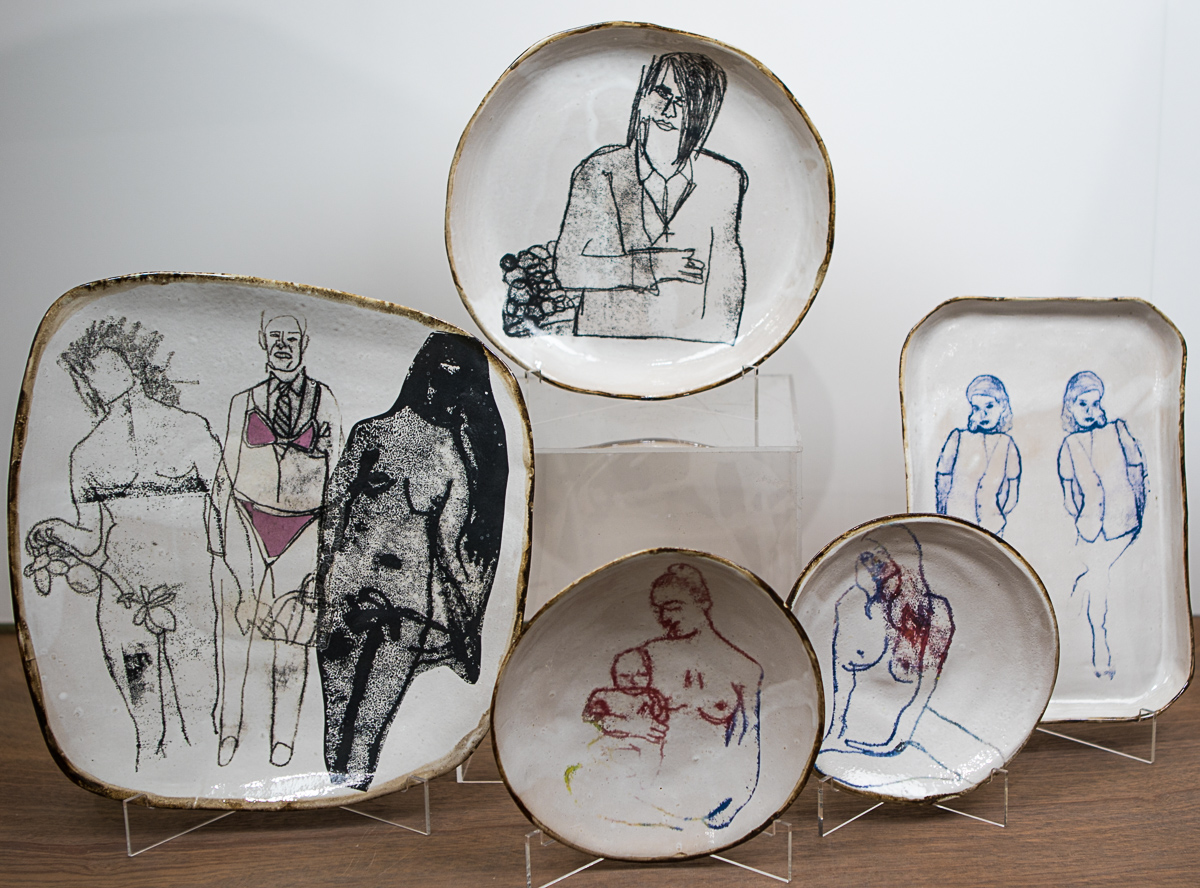
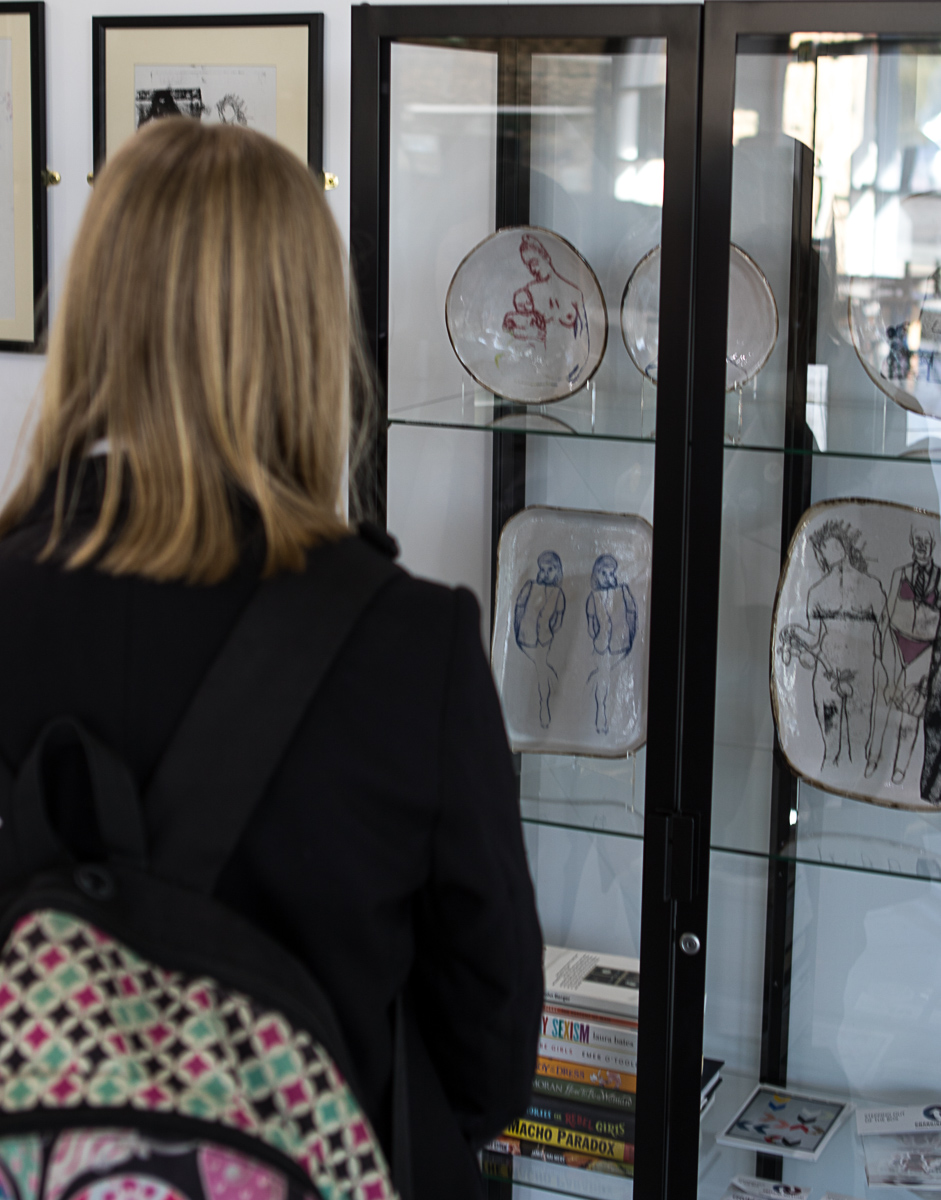
A multimedia exhibition initiating conversations around gender roles and aspirations; empowering audiences to question destructive social pressures on men, women and everyone in between and seek healthier alternatives that allow everyone to thrive.
Project purpose
Stepping Out Of the Box emerged from the Men’s Voices project, where our community engagement on the theme of masculinity had highlighted the need to bring femininity into the conversation.
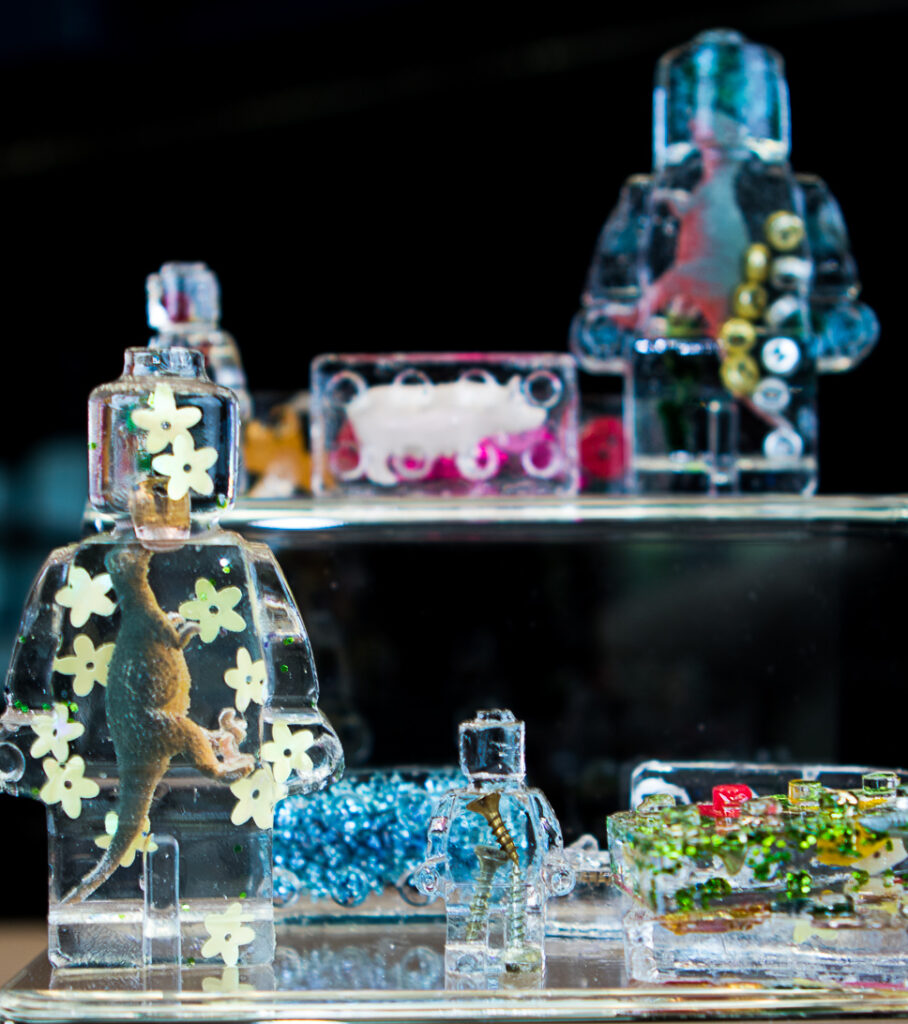
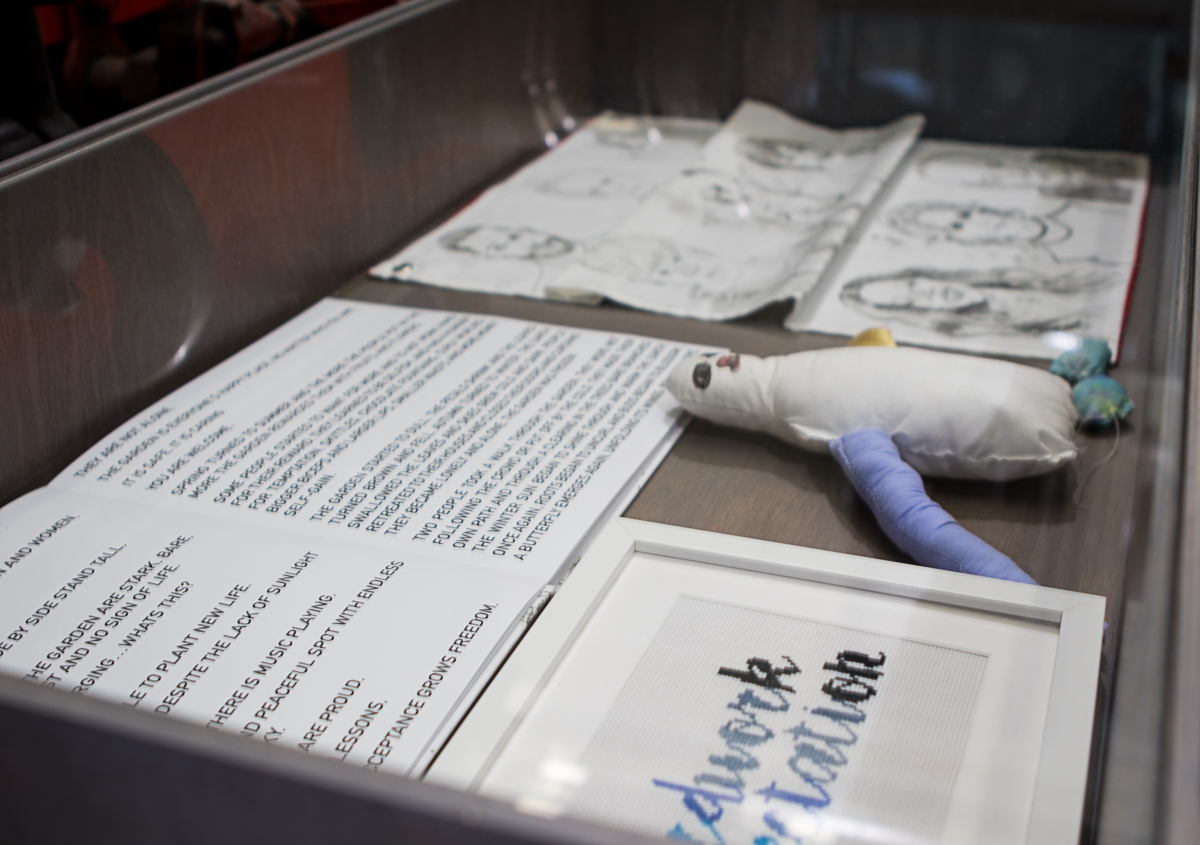
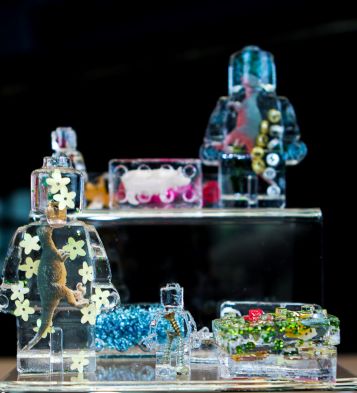
In this iteration, we set out to question the relevance of traditional masculine and feminine labels in our modern world, exploring themes of gender equality, how gendered childhood toys shape our identity and aspirations and the impact these cultural norms can have on our mental wellbeing.
Project Outcomes
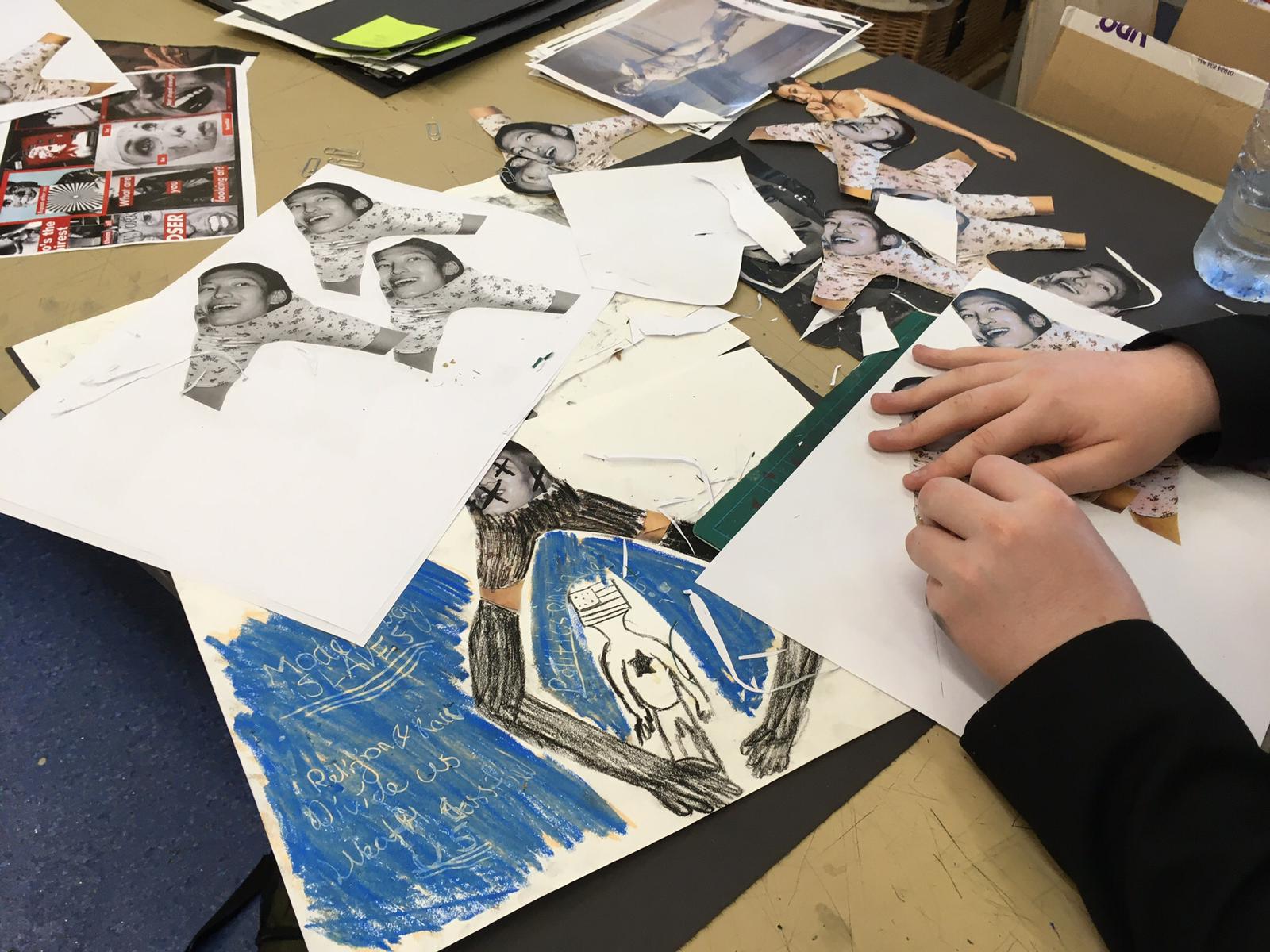
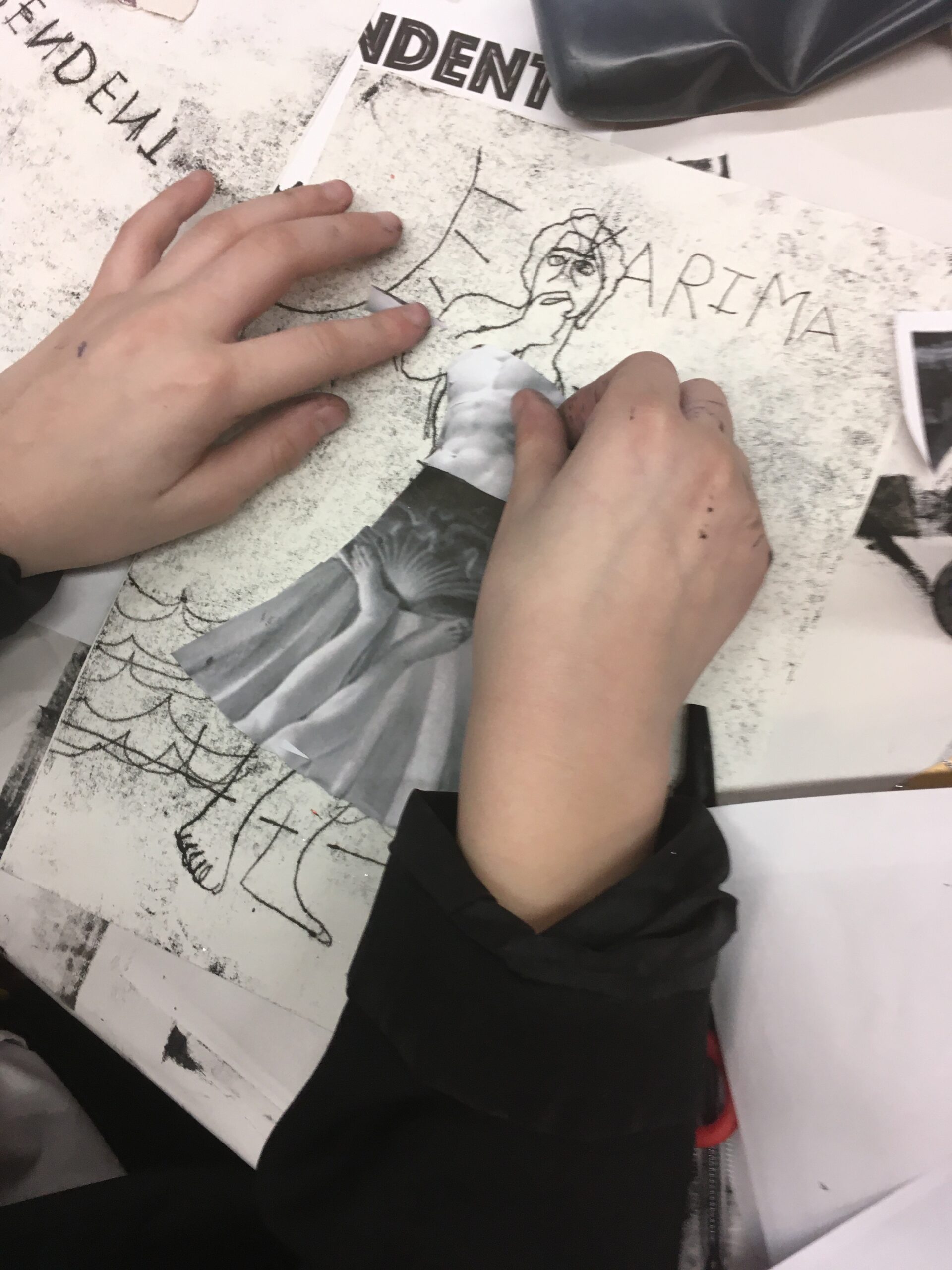
- At Ferryhill School, we supported 12 Year 11 students with additional needs with artmaking for Art GCSE and 60 Year 8 students in a Careers Day that gave them chance to consider whether gender has anything to do with your skills or the jobs you could aspire to, encouraging them to consider the skills creative sector jobs involve and expand their concept of employment opportunities.
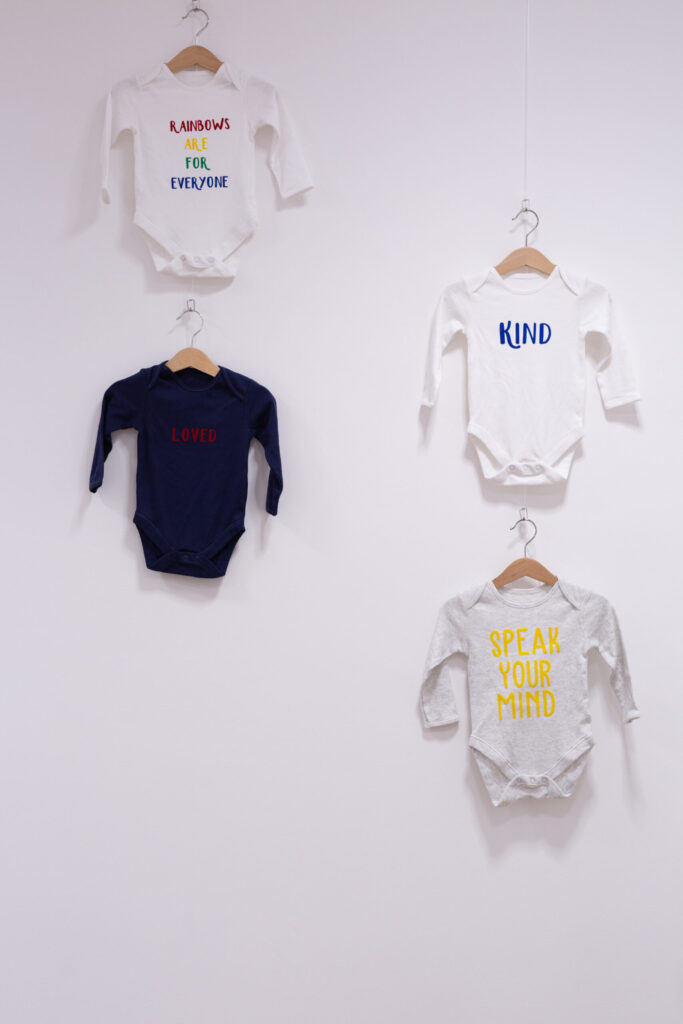
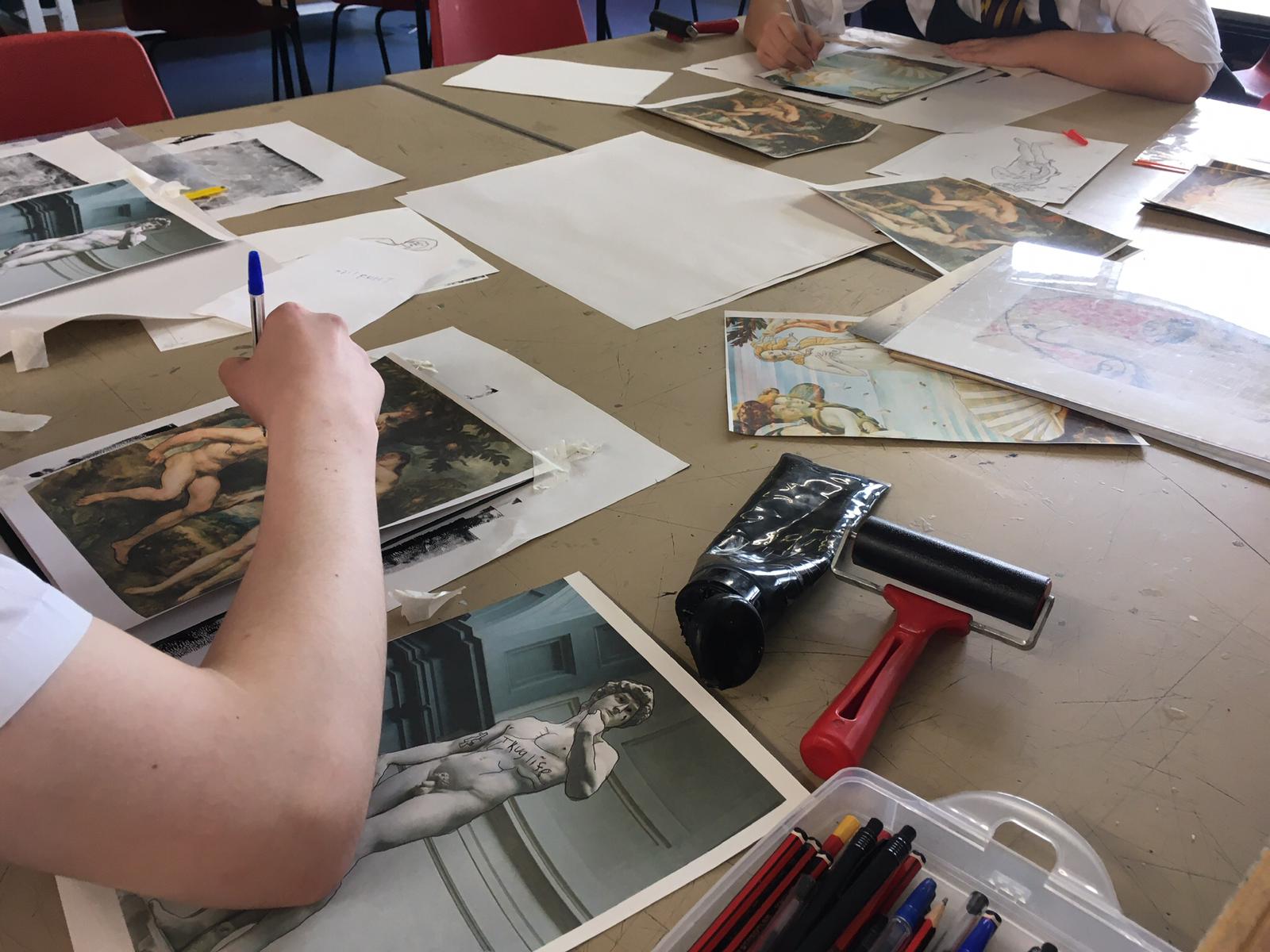
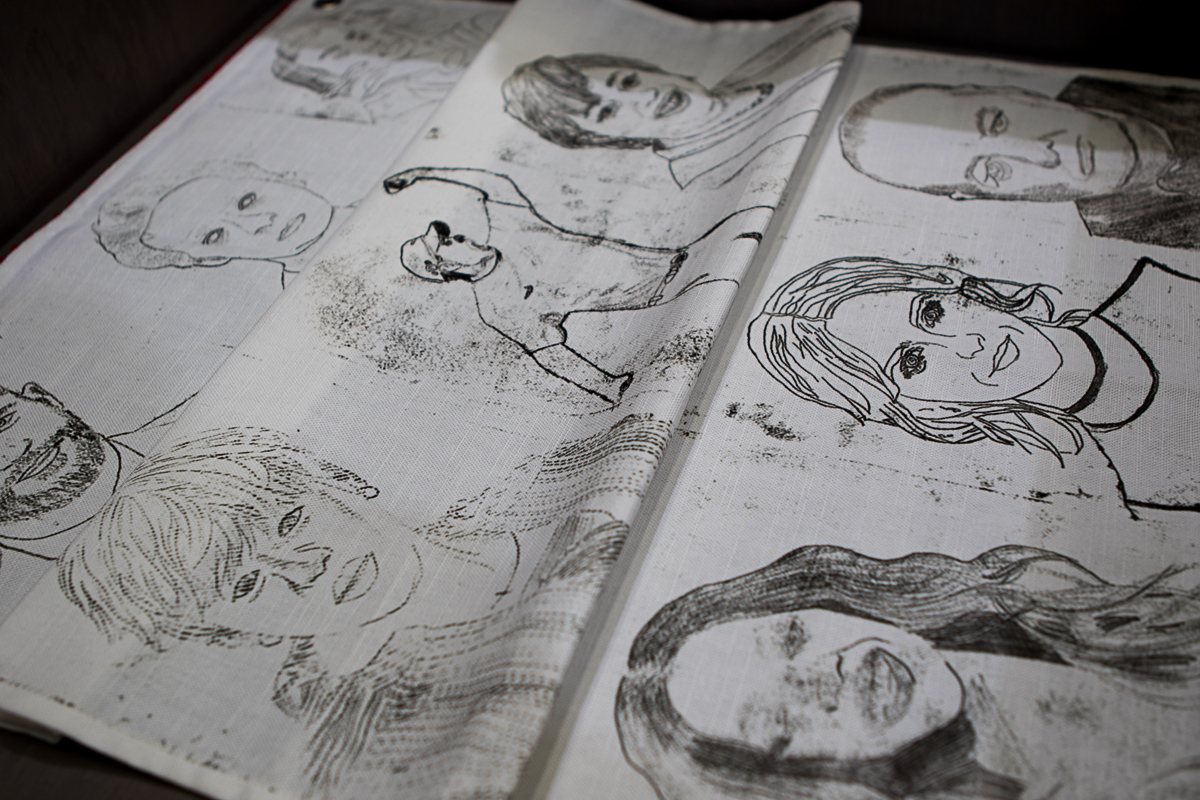
- We worked with 12 KS4 girls from The Woodlands with a complex range of SEND and mental health difficulties, giving them the opportunity to gain a Bronze Arts Award for their artwork exploring ideas around gender stereotypes and messages children receive through toys, branding and clothing. They led a printmaking workshop with KS3 boys, developing their sense of themselves as leaders. 67% of participating young people “realised I can do more than I thought I could” and 86% were proud of their work.
- Educators who attended our conference appreciated the mix of research-based talks with practical workshops on how to use creative tools to explore ideas of gender, telling us they would be “less afraid of creative expression” and would apply “all of it” in practice in their professional roles.
Bringing the project to life
Men’s Voices as a starting point
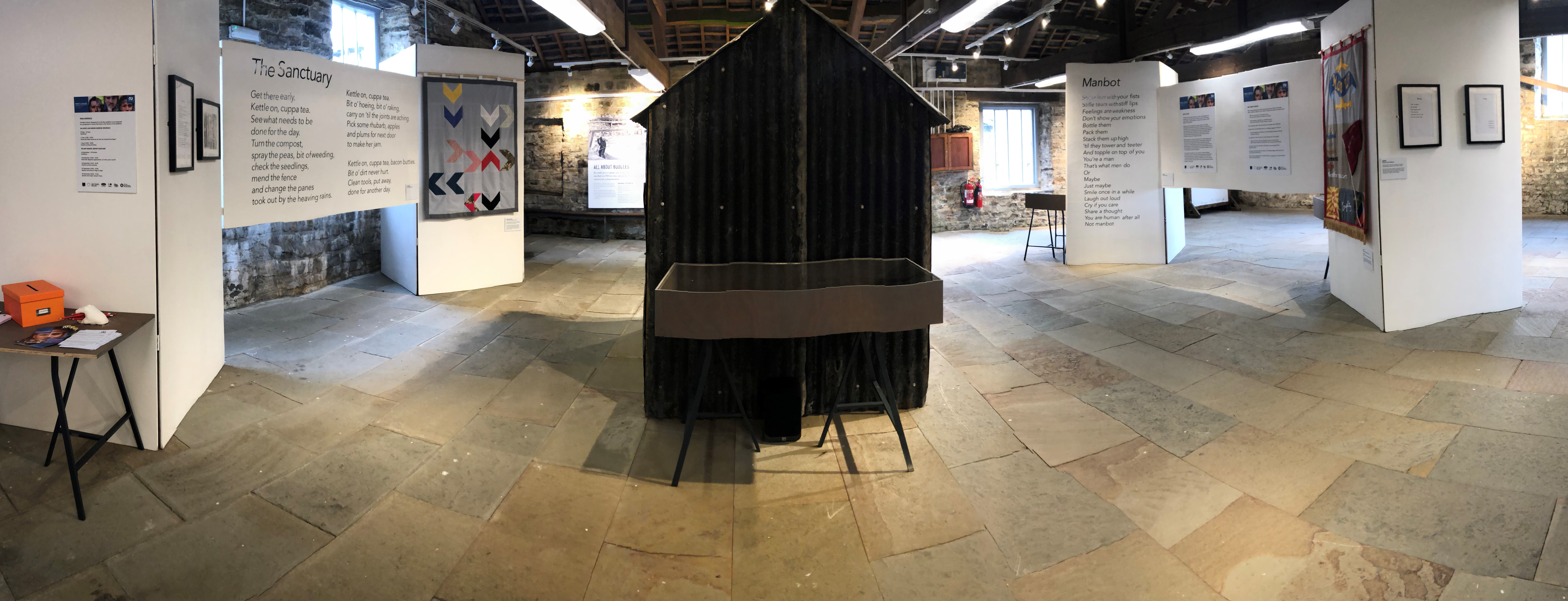
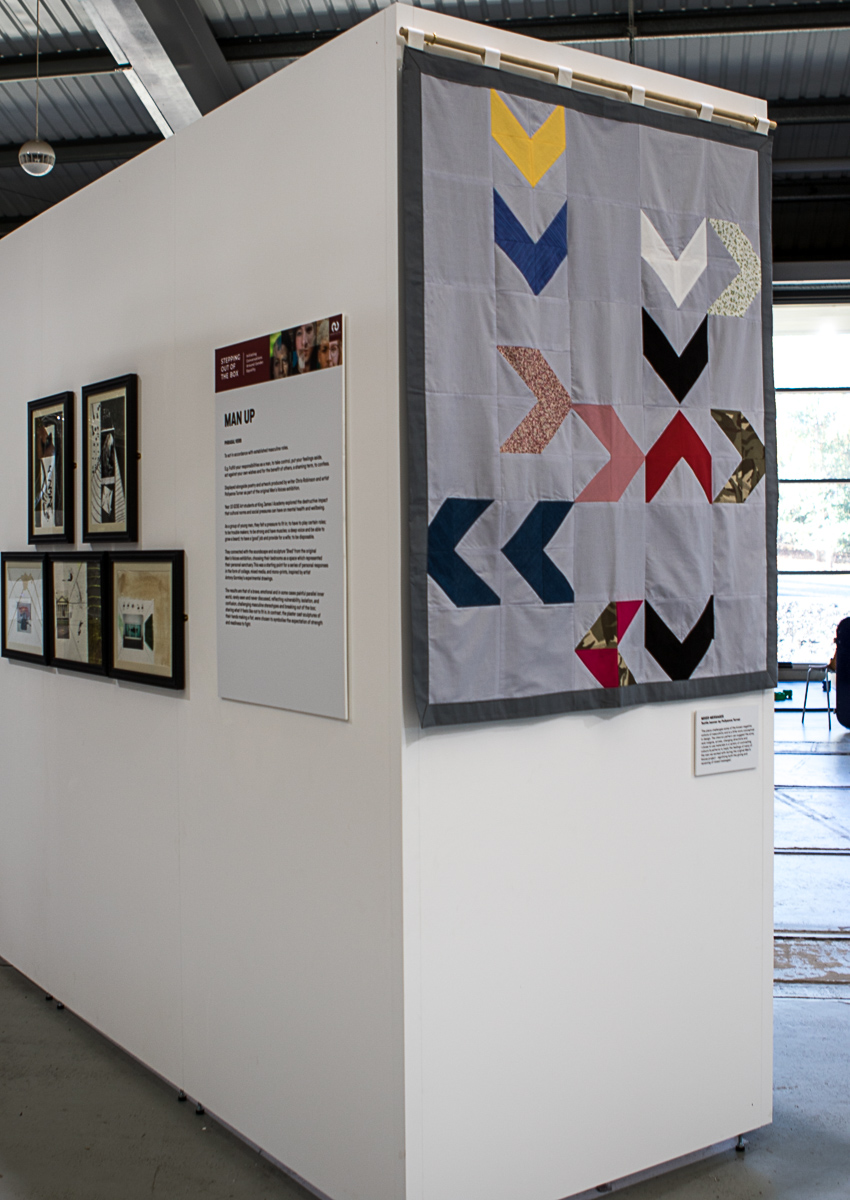
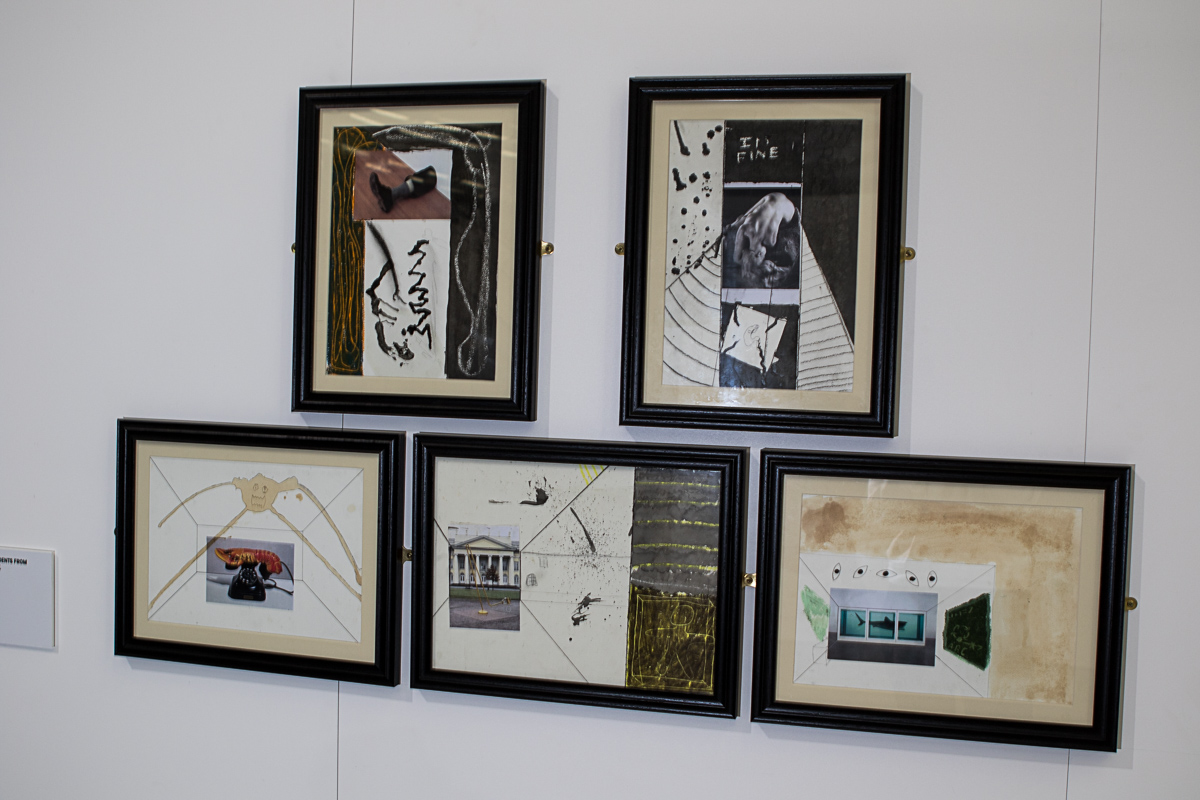
The first phase of the project involved bringing young people from Secondary schools across South West Durham King James I Academy, Wolsingham School, Parkside Academy, Teesdale School to engage in our Men’s Voices exhibition at The Witham. Using this creative consideration of masculinity as a basis, our artists delivered workshops with boys and girls to expand our exploration of the impact gender stereotypes can have.
Expanded exhibition
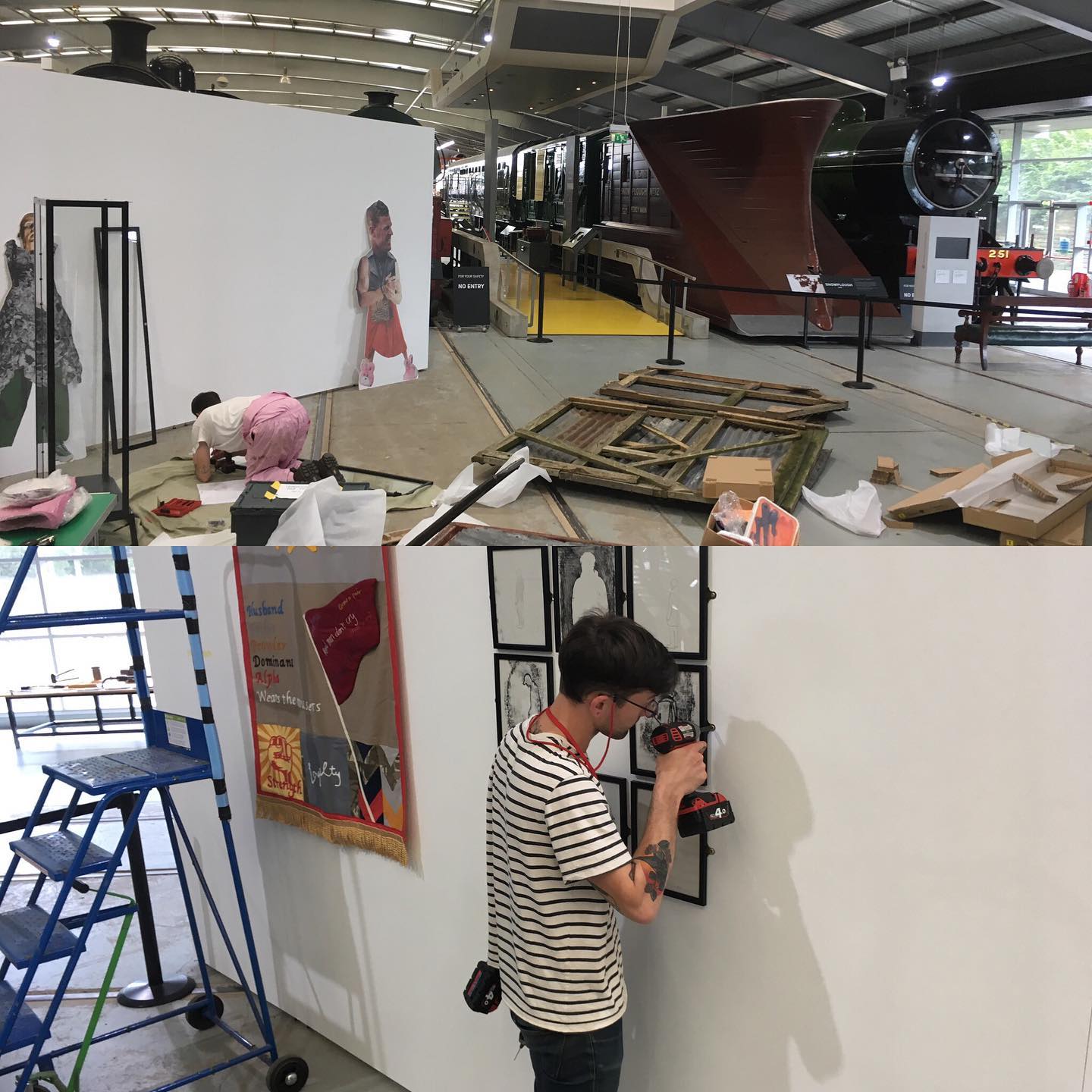
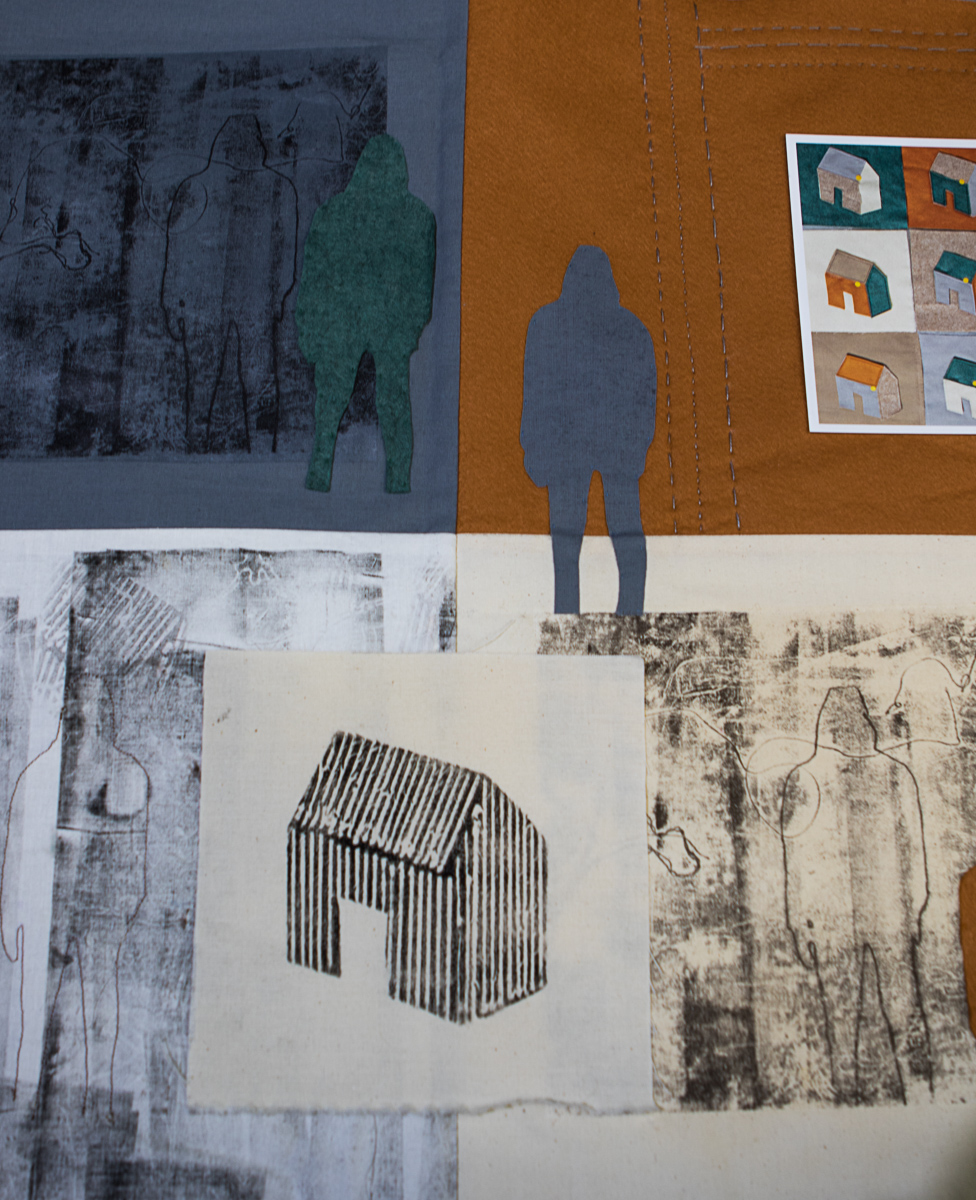
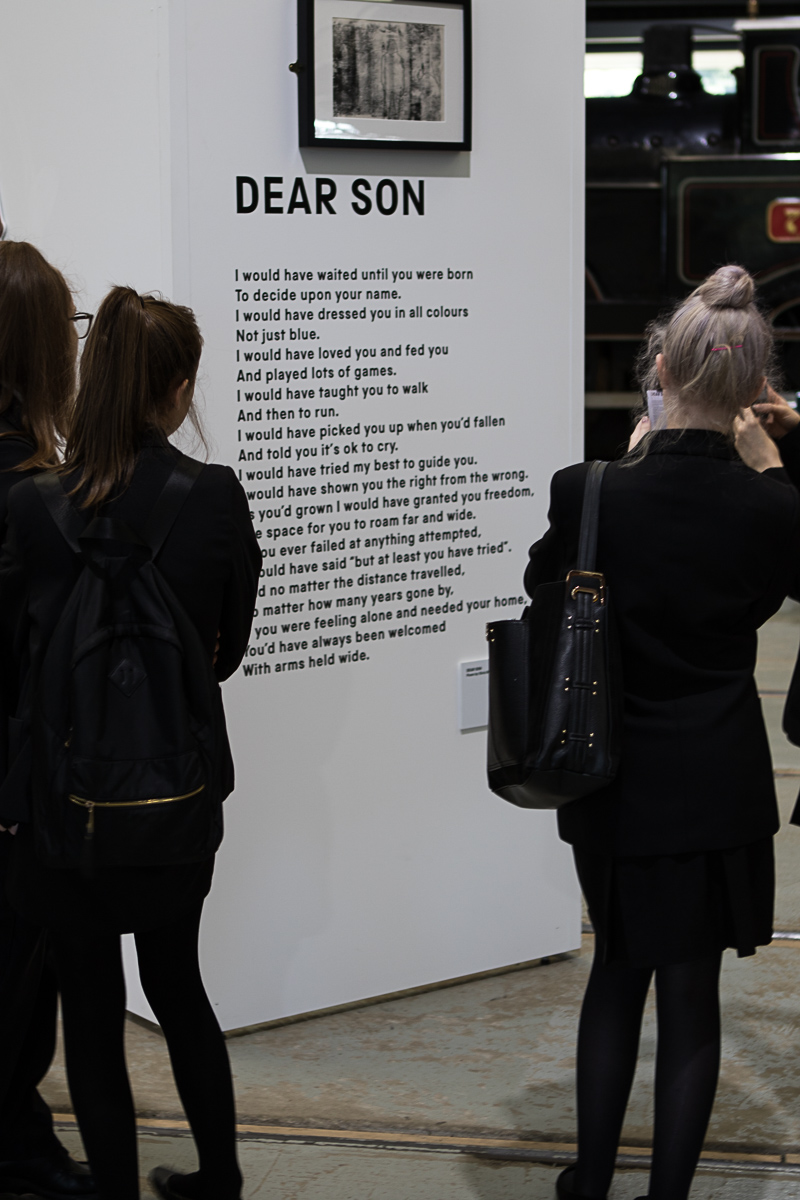
After touring Locomotion and Killhope Lead Mining Musuem, we transformed our Men’s Voices exhibition into Stepping Out Of the Box to encompass the new set of youth co-produced art, inviting our school groups to see their work in situ and holding a series of panel talks on linked themes. Young people from Daisy Arts were supported to develop gender-themed spoken word which they performed when the newly expanded exhibition returned to Locomotion.
Additional engagement
Further funding enabled us to engage 2 additional schools (Ferryhill School and The Woodlands) with exhibition visits and art-making workshops, install our content in St Aidan’s College, Durham University and Arts Centre Washington and host a conference to encourage educators to consider how they could use our artwork and creative methods to explore gender stereotypes with their young people.
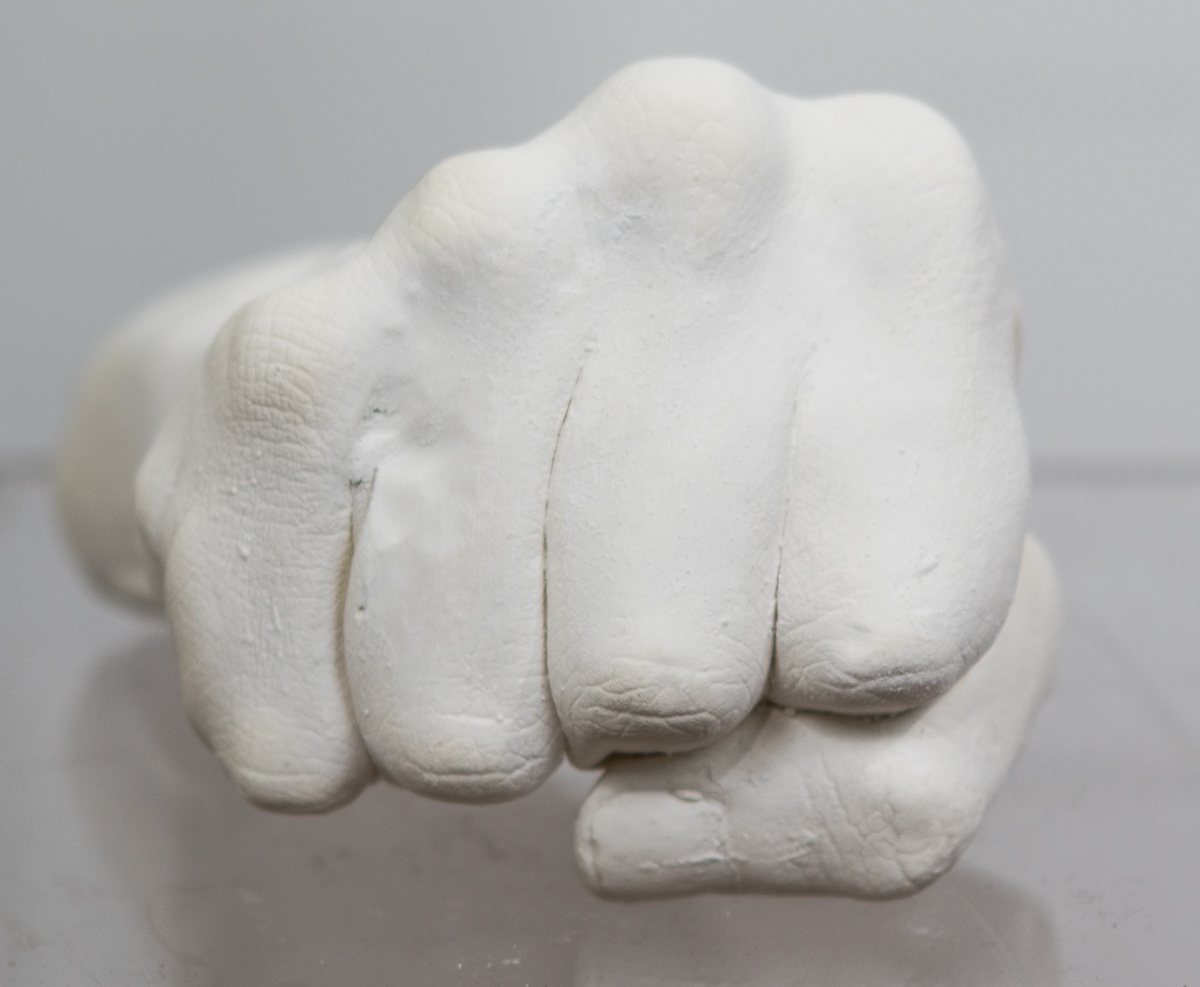
Book us to deliver a workshop drawing from the Stepping Out Of the Box poetry and visual art catalogue and handling collection.
Find out more
Our
Impact
Related materials
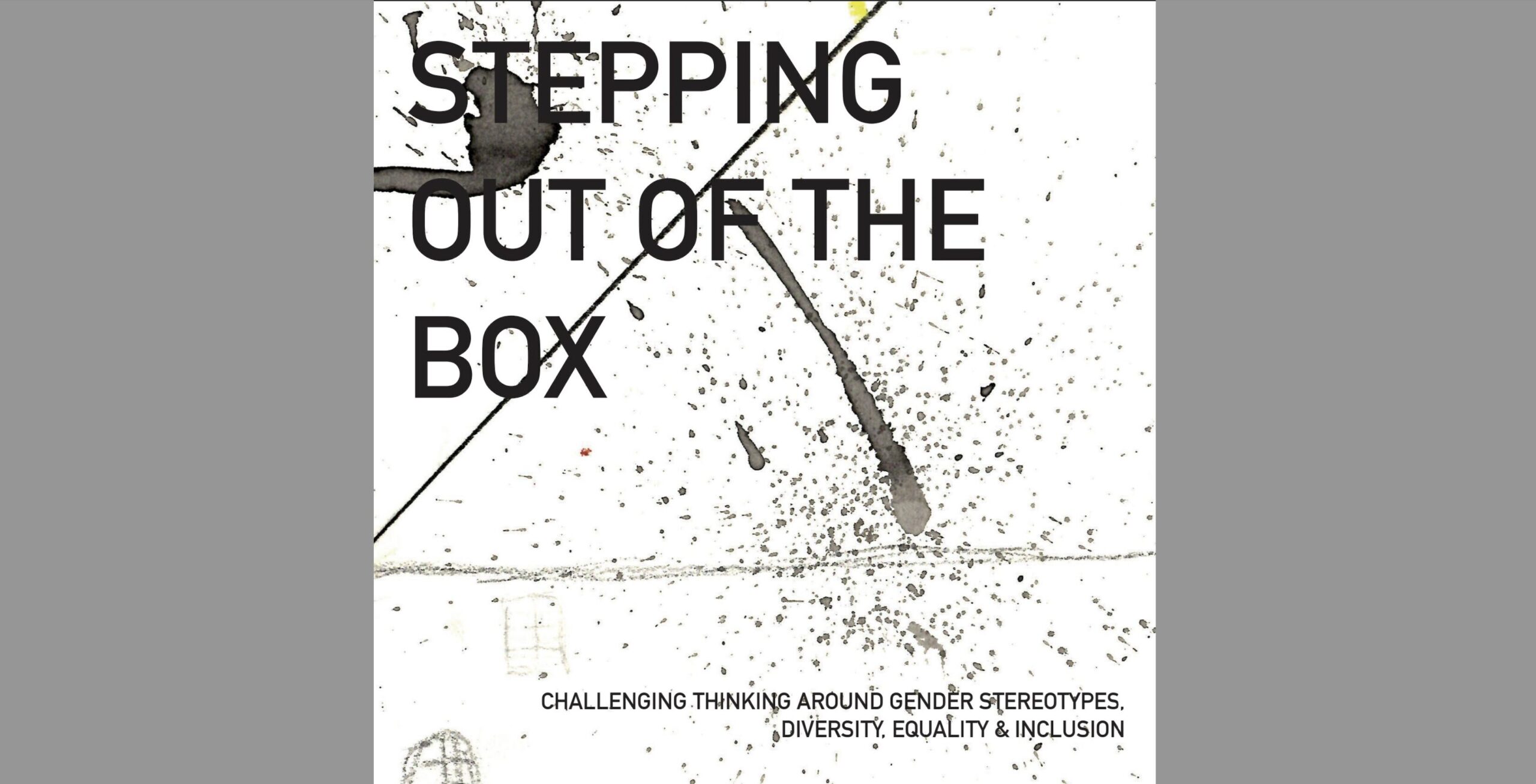
Exhibition catalogue
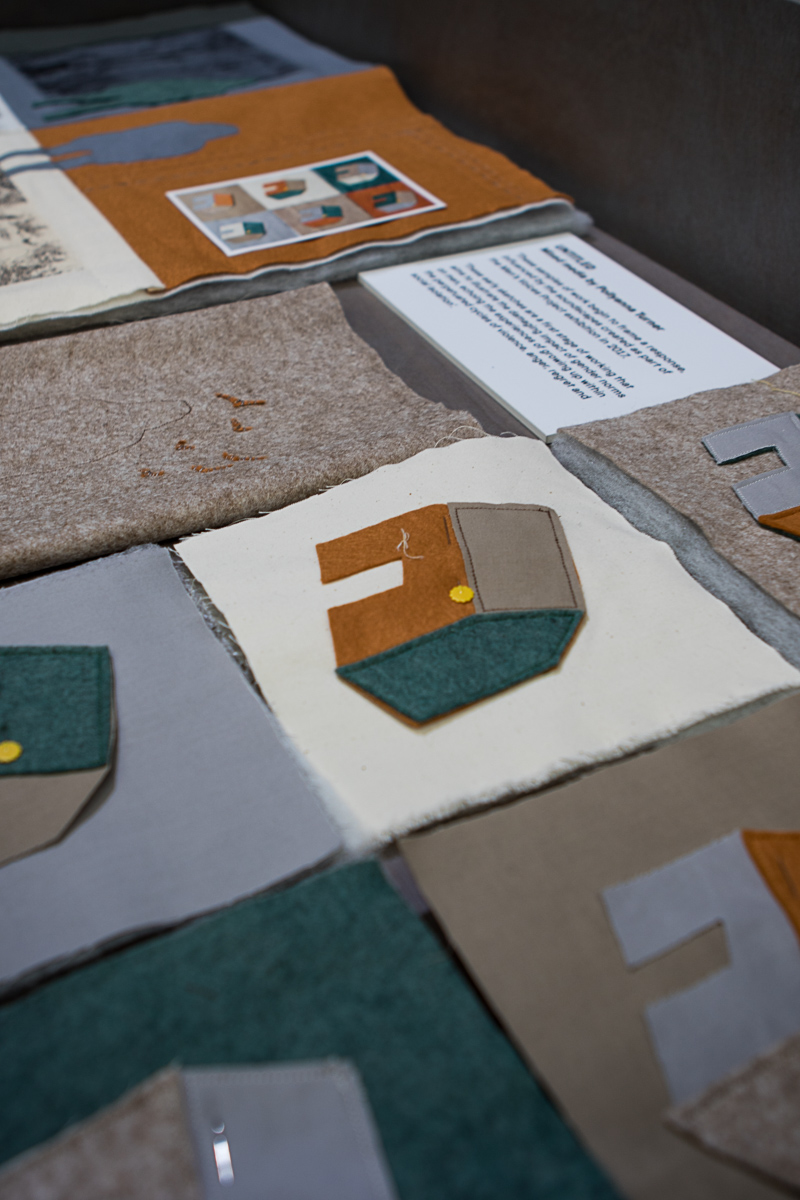
Purchase a hard copy of our Stepping Out Of the Box exhibition catalogue packed full of poetry and imagery exploring how gendered childhood toys shape our identity and aspirations and the impact these cultural norms can have on our mental wellbeing.
Find out more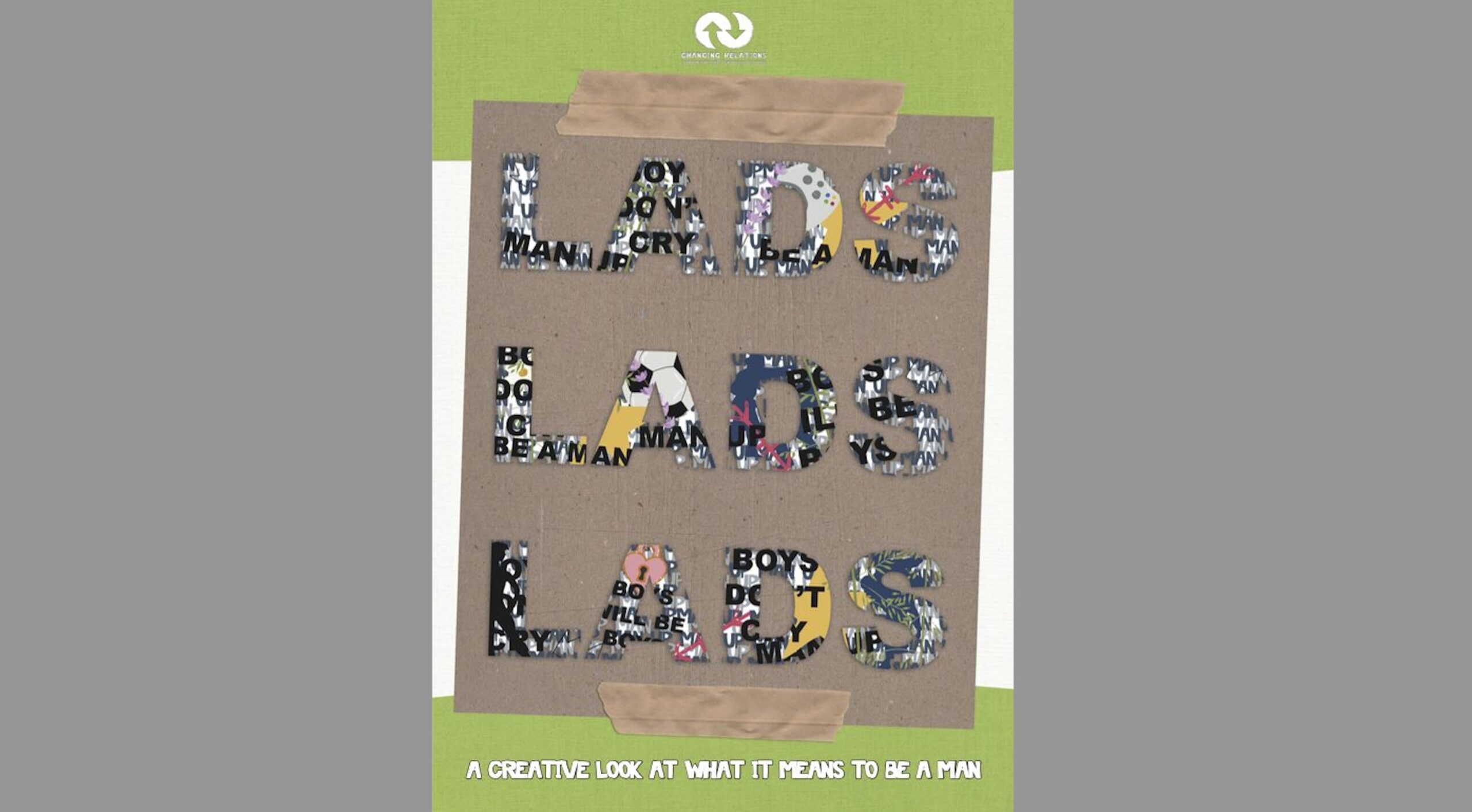
Zine
Aimed at encouraging teen boys to question the degree to which masculinity stereotypes are healthy / harmful, our Lads, Lads, Lads zine can be used in school or youth work contexts to encourage healthy as opposed to “toxic” masculinity.
Find out more