

Case Study
Invisible Visible
We supported artist Hope Caitlin to create a live and digital exhibition exploring disability and the barriers to workplace inclusion
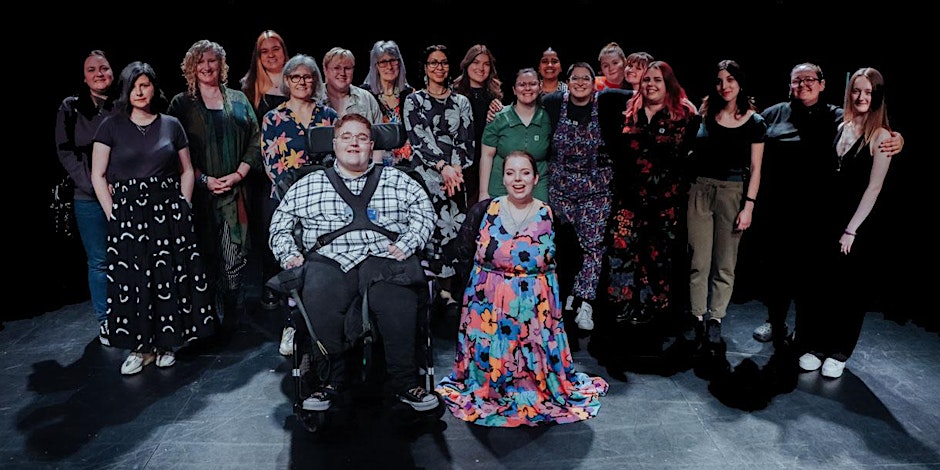
When we begun developing a disability policy, artist Hope Caitlin – a youth member of our company Steering Group at the time – volunteered to help shape the process, suggesting that, as a creative company, we could take a creative “storytelling” approach. We recruited Durham University student intern Millie Stott to gather stories from seven individuals with lived experience of disabilities, many of which would be invisible in their workplace, who shared perspectives of inclusive workplace practices from a range of sectors.
From policy to public engagement
As an artist who had lived with invisible disabilities since the age of 11, Hope saw a valuable opportunity to engage in this project, working closely with Millie to develop a series of artworks as a direct response to these testimonies. Whilst initially used to illustrate our company disability inclusion policy, it was clear that the artworks were powerful testament to her lived experience and creative expression, deserving of recognition in their own right.
We went on to support Hope, setting up meetings with exhibition venues, linking her with curatorial mentors, working alongside her to extend the potential reach of her work for different audiences, including those with lived experience of disability, but also managers and employers in a position to create more inclusive workplace environments.
What we delivered together
Creating a public exhibition
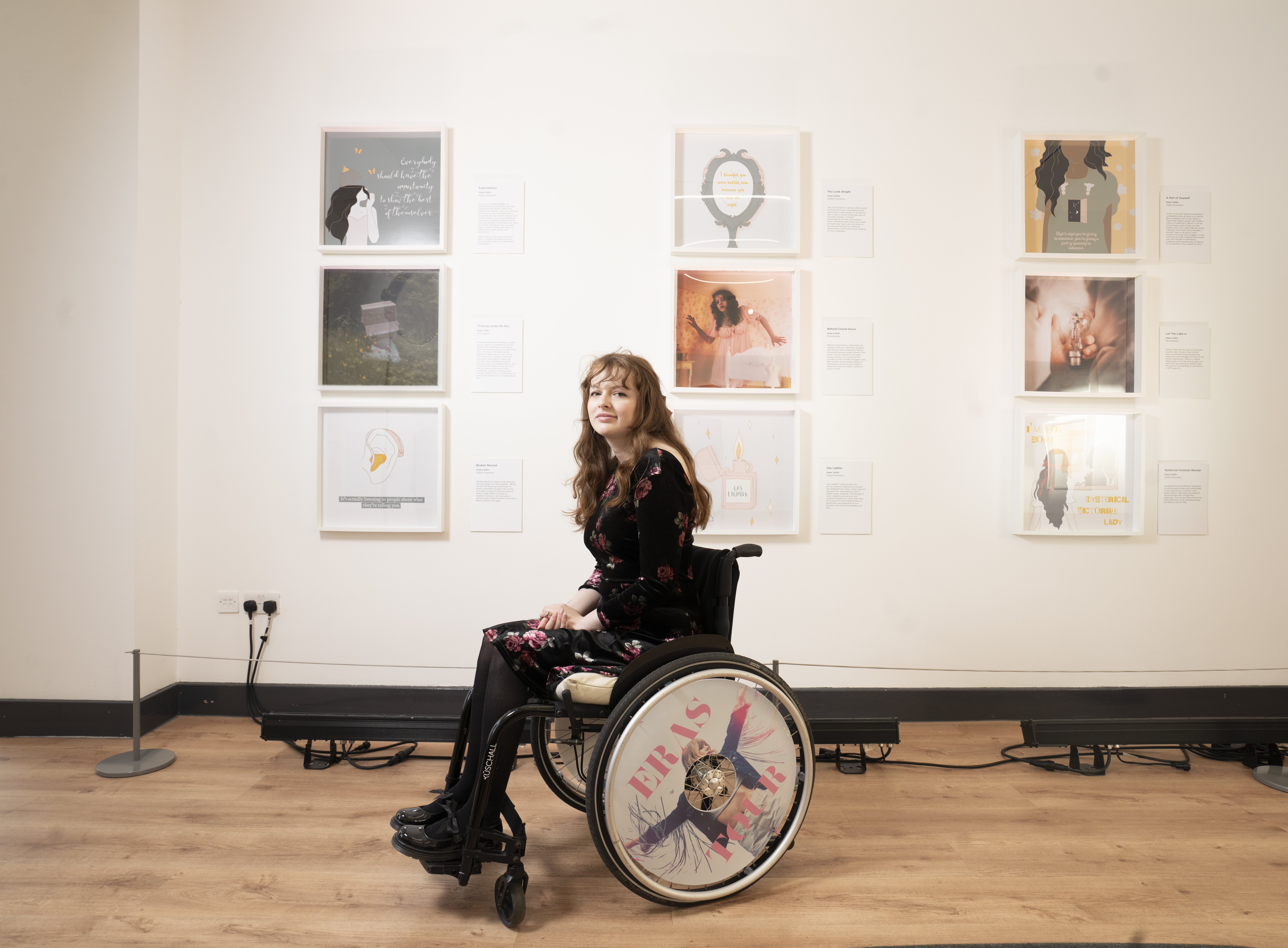
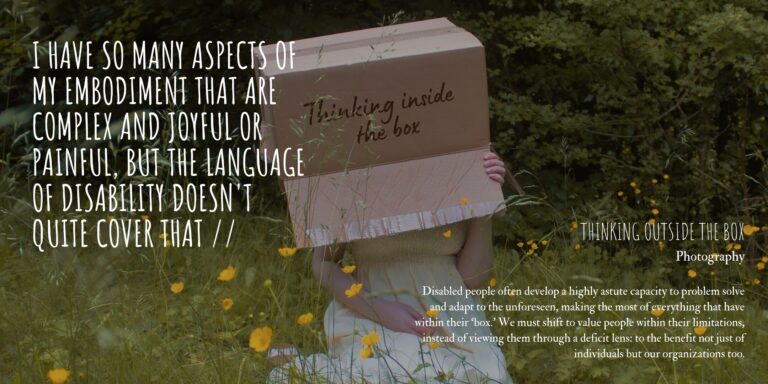
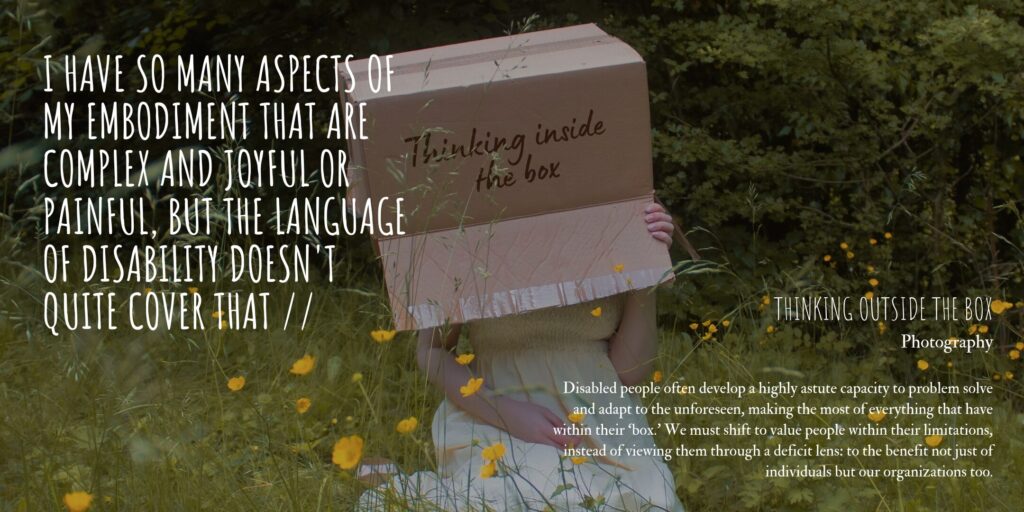
Hope created an impactful series of illustrative works and conceptual photography pieces as a direct response to the testimonies we had gathered. We supported her to exhibit this artistic collection in Bishop Auckland Town Hall in 2024 and as a digital exhibition hosted by Durham University.
Developing a booklet

We supported Hope to articulate the messaging she was trying to convey with her imagery and to sequence the artistic content and lived experience testimony into a booklet that also includes space for participants to write or draw their thoughts on a series of questions we have posed, as a way of inviting reflection and dialogue.
Planning and delivering workshops
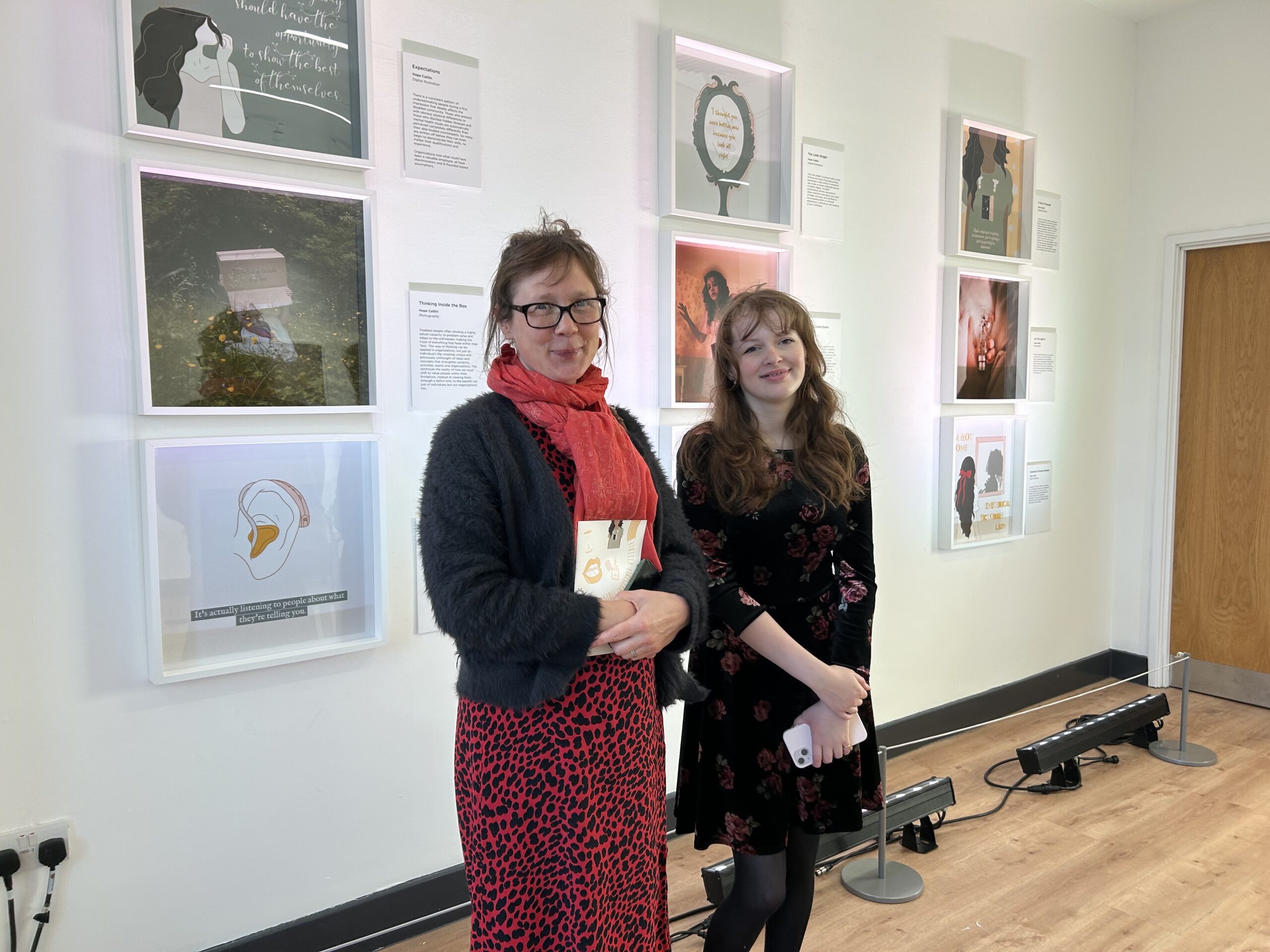
We went on to consider the target audiences for a series of engagement events and to support Hope in defining the learning objectives for each, planning an empowerment workshop for individuals managing their own invisible disabilities and a workshop to support managers to consider how to enhance the inclusive practice in their workplace.
Take a look at the resulting digital exhibition – Invisible Visible
ViewOutcomes

Increased opportunity
Our support enabled a young emerging artist to gain additional opportunities to publicly display her work, with a digital exhibition following the initial installation at Bishop Auckland Town Hall.

Practitioner confidence
Our support of both our Durham University student intern Millie Stott, and visual artist Hope Caitlin, enhanced the confidence of these young practitioners to realise their potential.

Increased insight
Both the exhibition of the artwork and the workshops based around it, created important opportunities for reflection on what is needed to achieve a truly inclusive workplace.