

Project
Weaving Stories
How Small Actions Shape the Bigger Picture
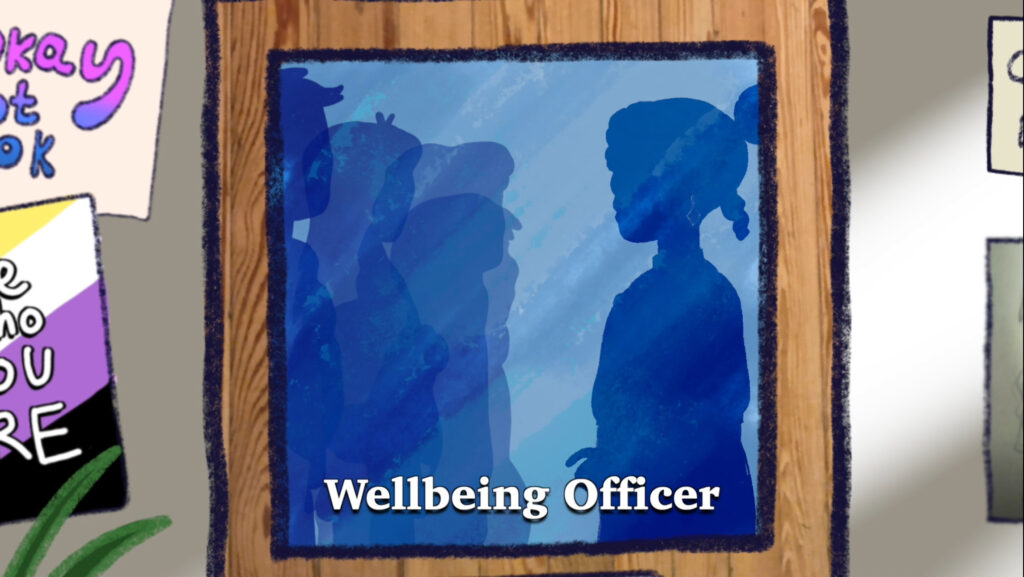
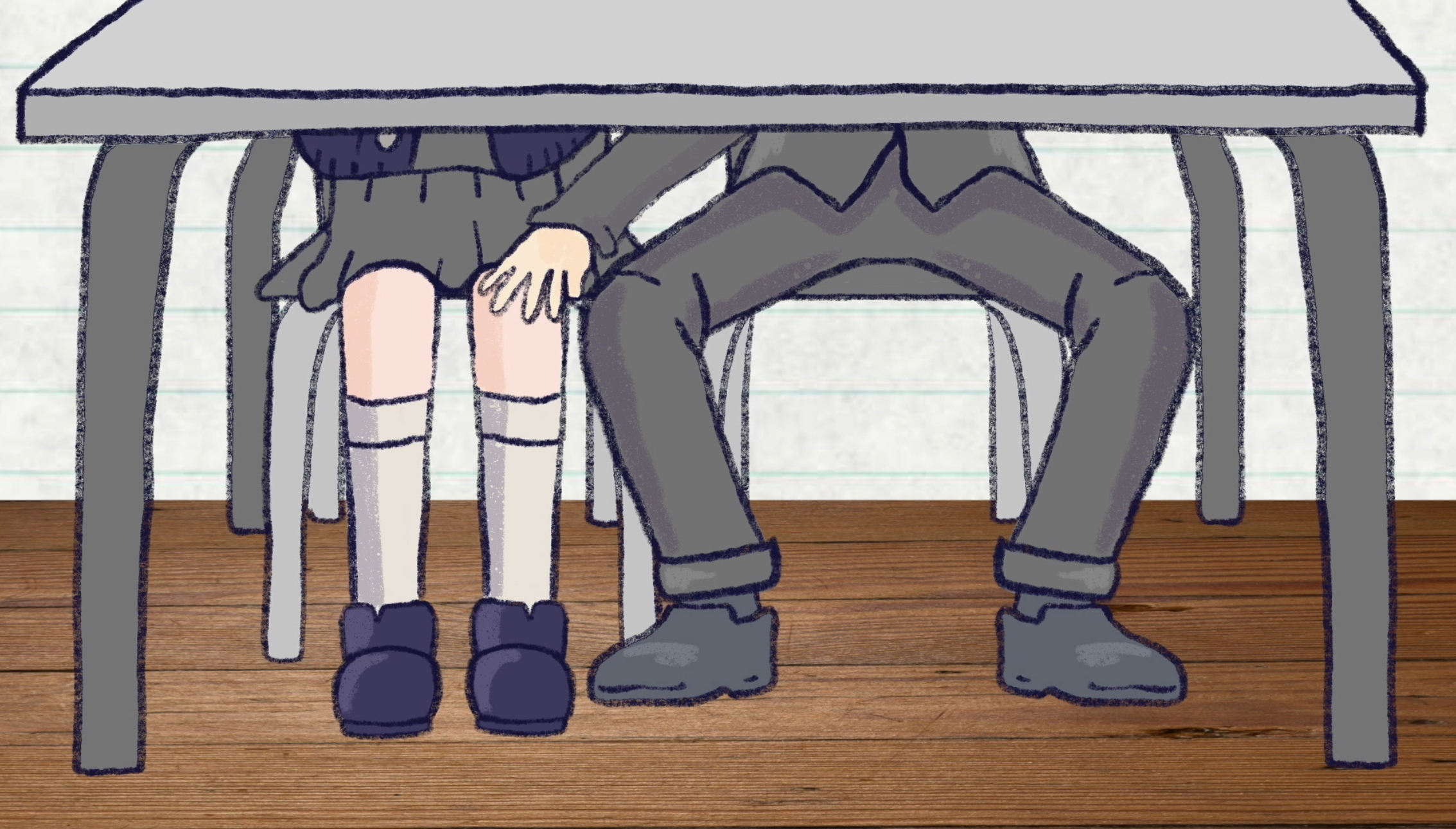
An impactful animation to change the culture that enables peer sexual abuse and highlight the impact of unwanted sexual behaviours on young survivors.
The project developed out of a conversation with RSACC who shared concerns that survivors of peer sexual abuse did not feel able to attend school due to the behaviours of their peers, but also the school processes for handling such scenarios. This very much tallied with Ofsted findings that sexual harassment and abuse is endemic and that young people feel teachers don’t know the reality of their lives. With this project, we thus set out to explore young people’s perspectives and experiences.
Our aim was to share these perspectives with education professionals and use the resulting creative output to support culture change in schools. Key issues the young people highlighted included sexist and homophobic bullying, often victim-blaming in nature; the harmful impact of so-called “low-level” behaviour which is often overlooked and/or normalised; and a need to challenge the anti-snitch culture with positive actions young people can take as bystanders to peer sexual abuse.
Project Impact
-
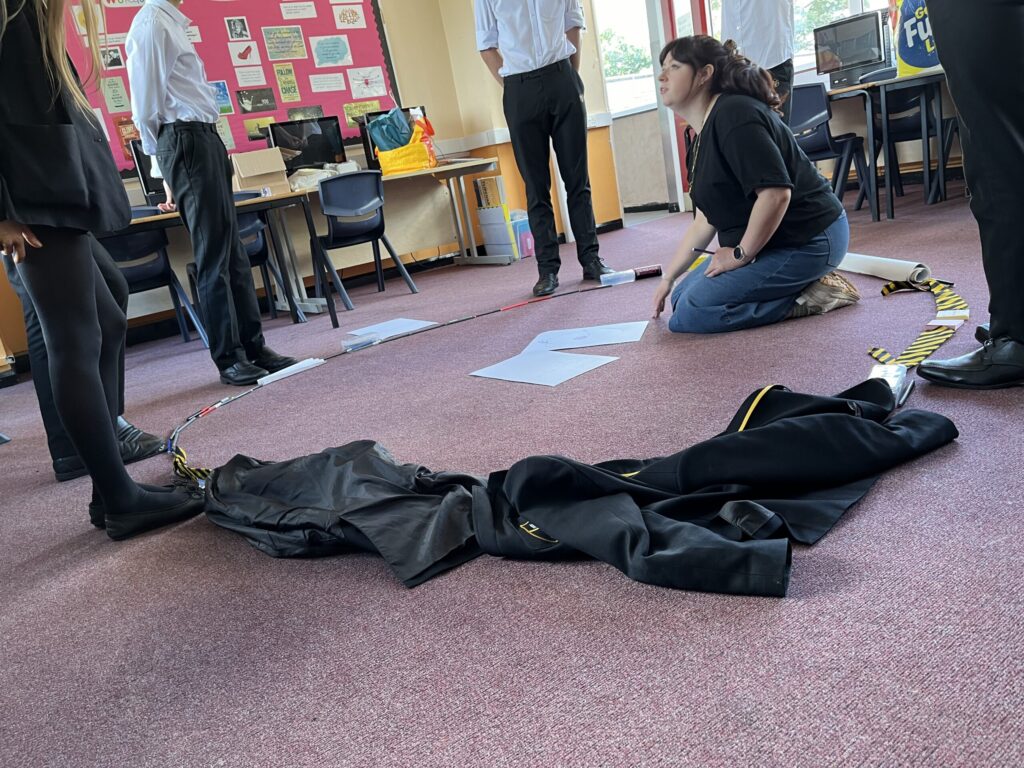
Of the young people who took part in our Creative Action Group: 93% reported an increase in their knowledge of peer sexual abuse; and 71% reported an increase in their confidence to speak up about harmful behaviour
-
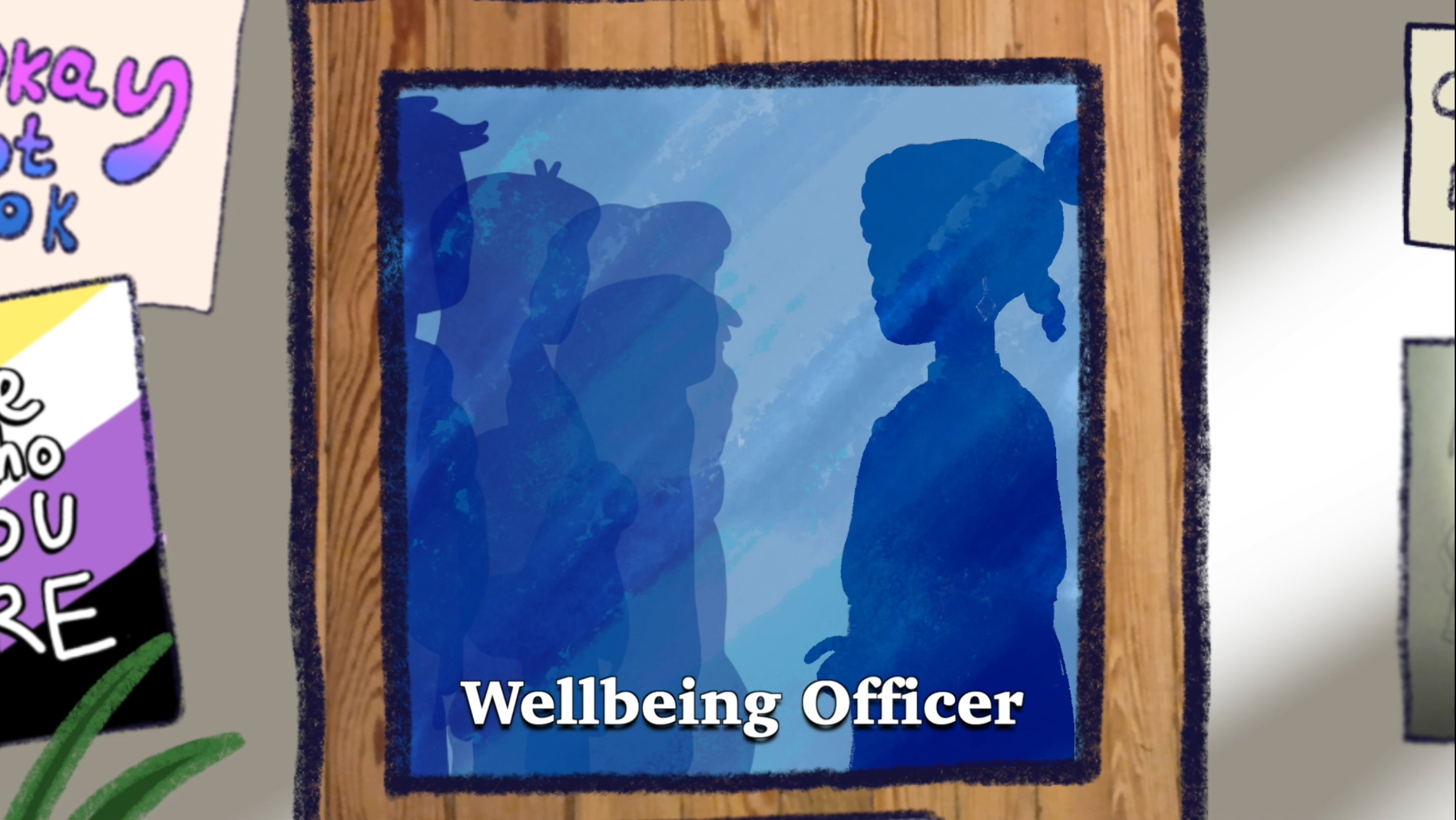
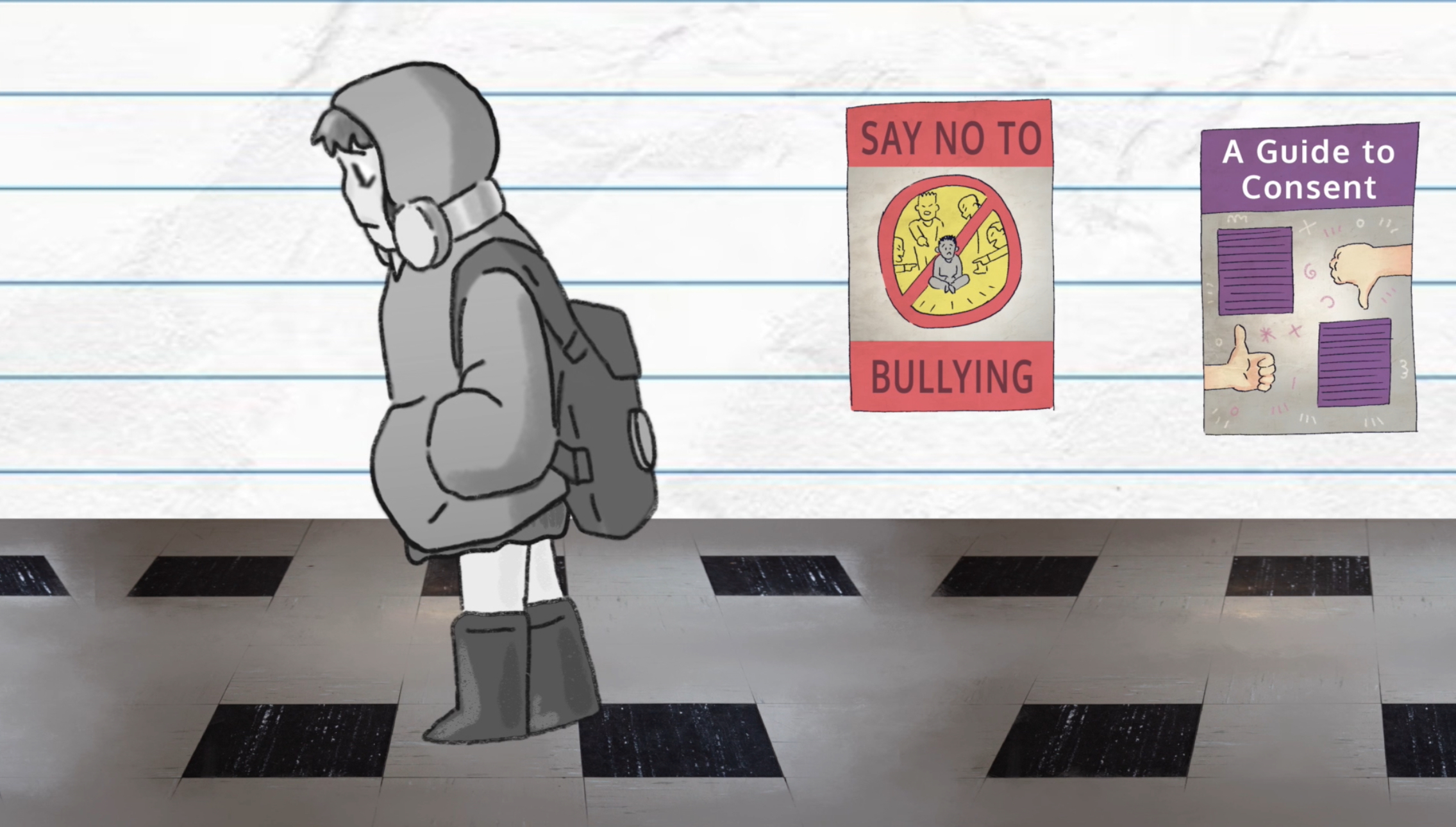
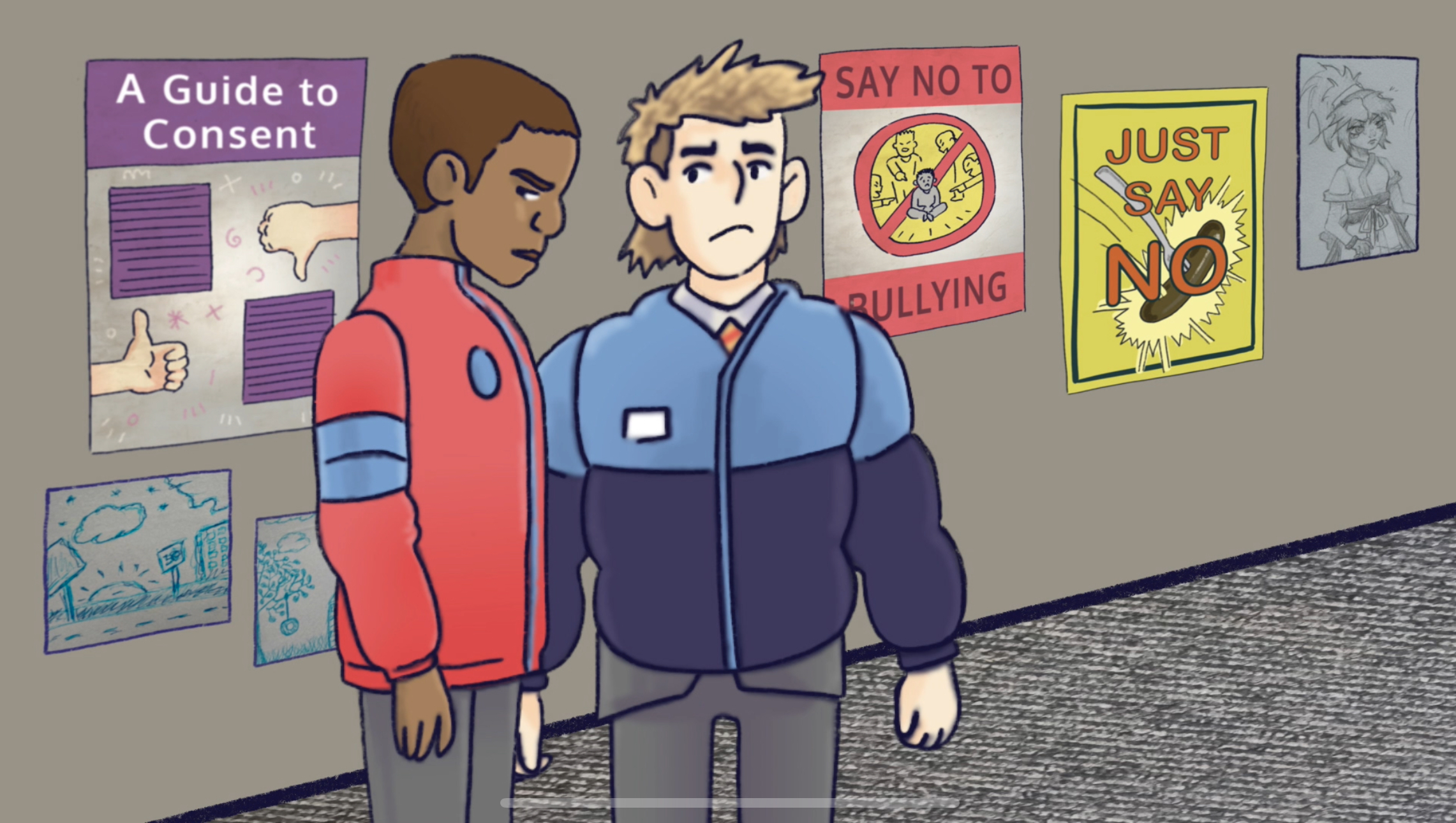
When we shared the animation with other young people in a pilot lesson and assembly, they reported feeling that the animation helped show the impact of their behaviour on others, increasing their empathy and making them more likely to identify those experiencing discomfort.
-
As a result, they were more likely to speak up, support their peers or tell a trusted adult about harmful behaviour they had become aware of.
-
Professionals who watched the animation commented that it was effective in showing the realities of daily life for adolescents including how normalised subtle forms of peer abuse are, making it an important tool for awareness-raising.
Bringing the Project to Life
Youth Creative Action Group
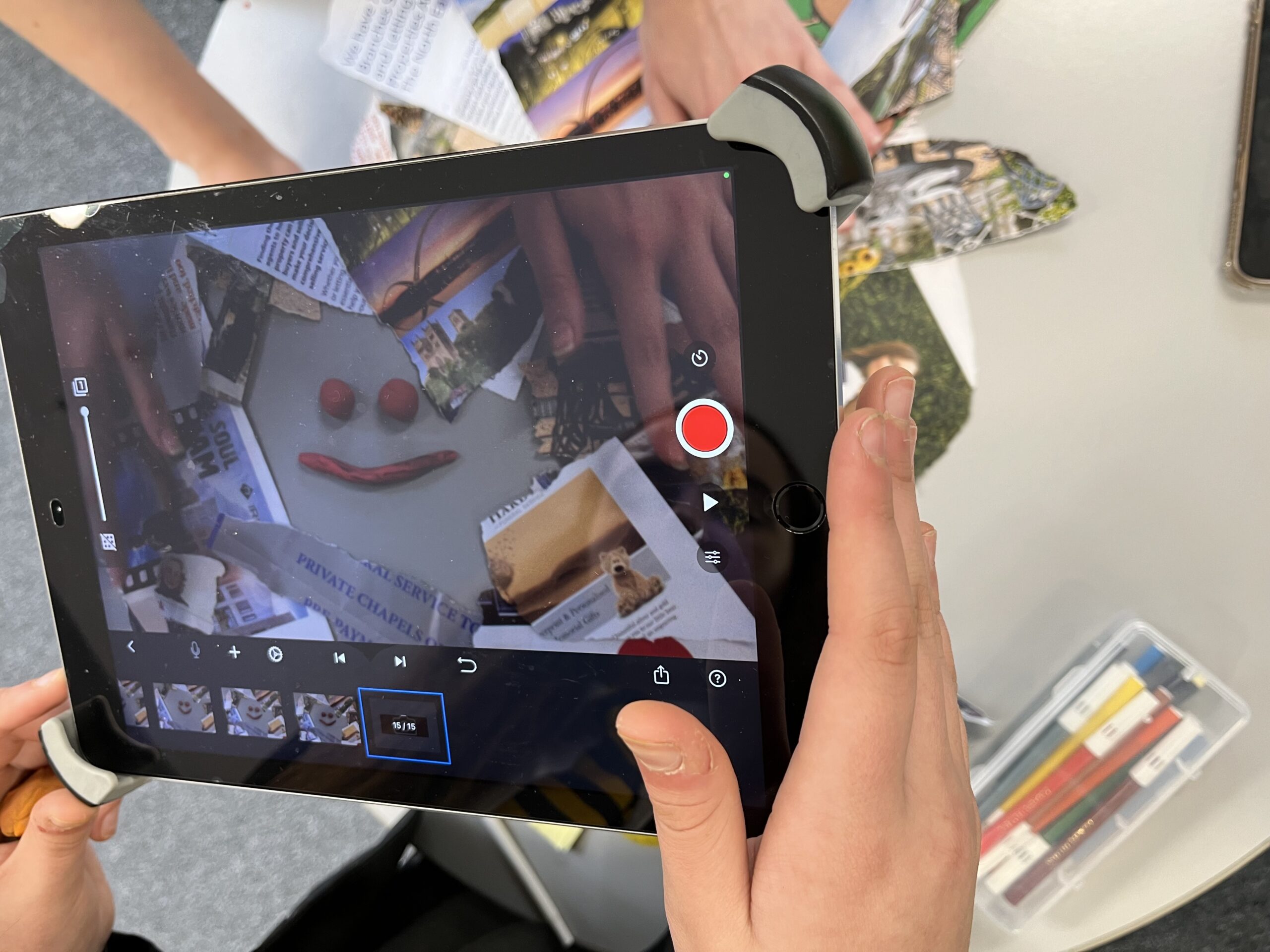
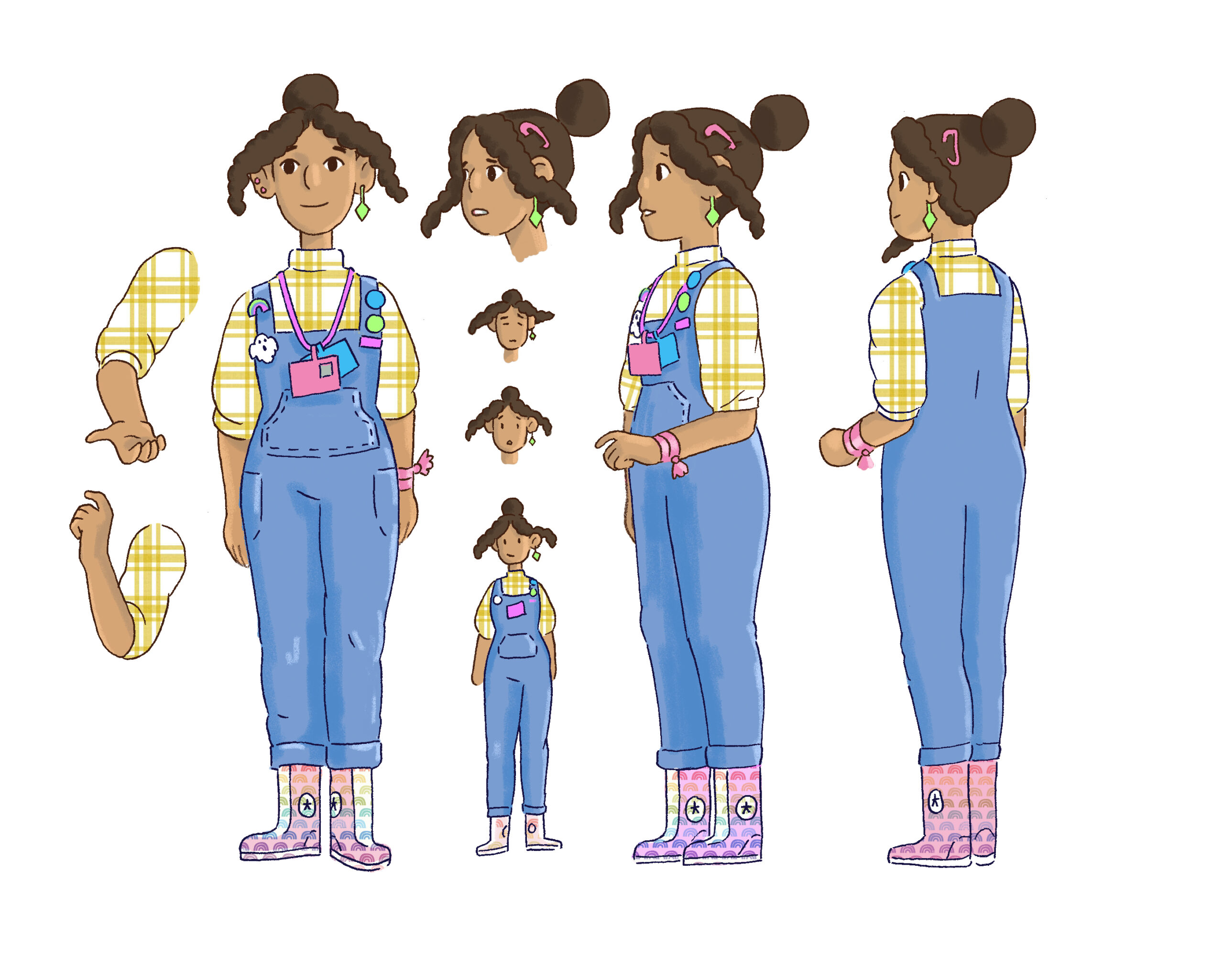
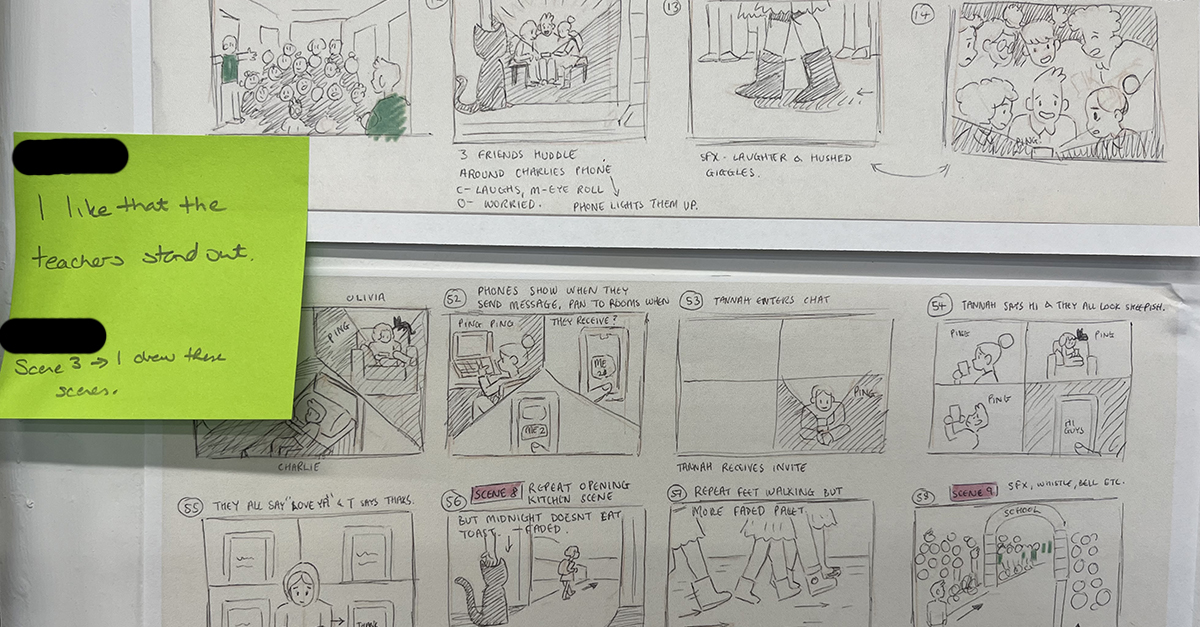
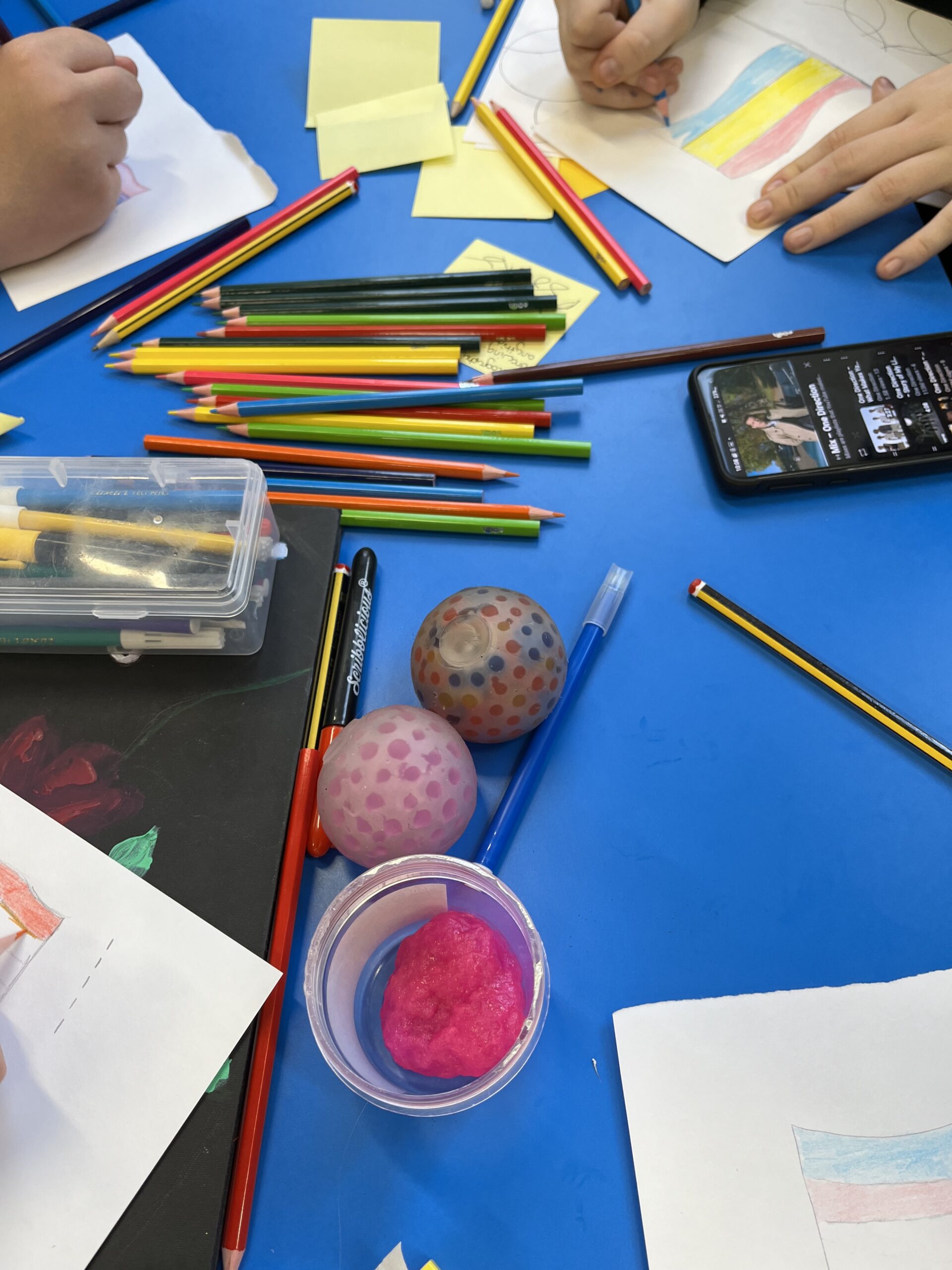
Weaving Stories was co-produced with young people from Park View School. They participated in a range of creative activities and thematic discussions with our creative team, generating ideas, developing the characters, script and storyboard, selecting our illustrator and feeding back at every point of the process, including informing the focus of learning sessions for their peers and teachers.
The creative team and steering group

This project was supported by Durham University doctoral research assistant Janelle Rabe, enabling us to gather critical insights into the terms and concepts needed to engage young people on the theme. Our creative team worked incredibly collaboratively, with each other and our young people, taking on board insights from a steering group of those with academic and practice expertise.
Testing, sharing and learning
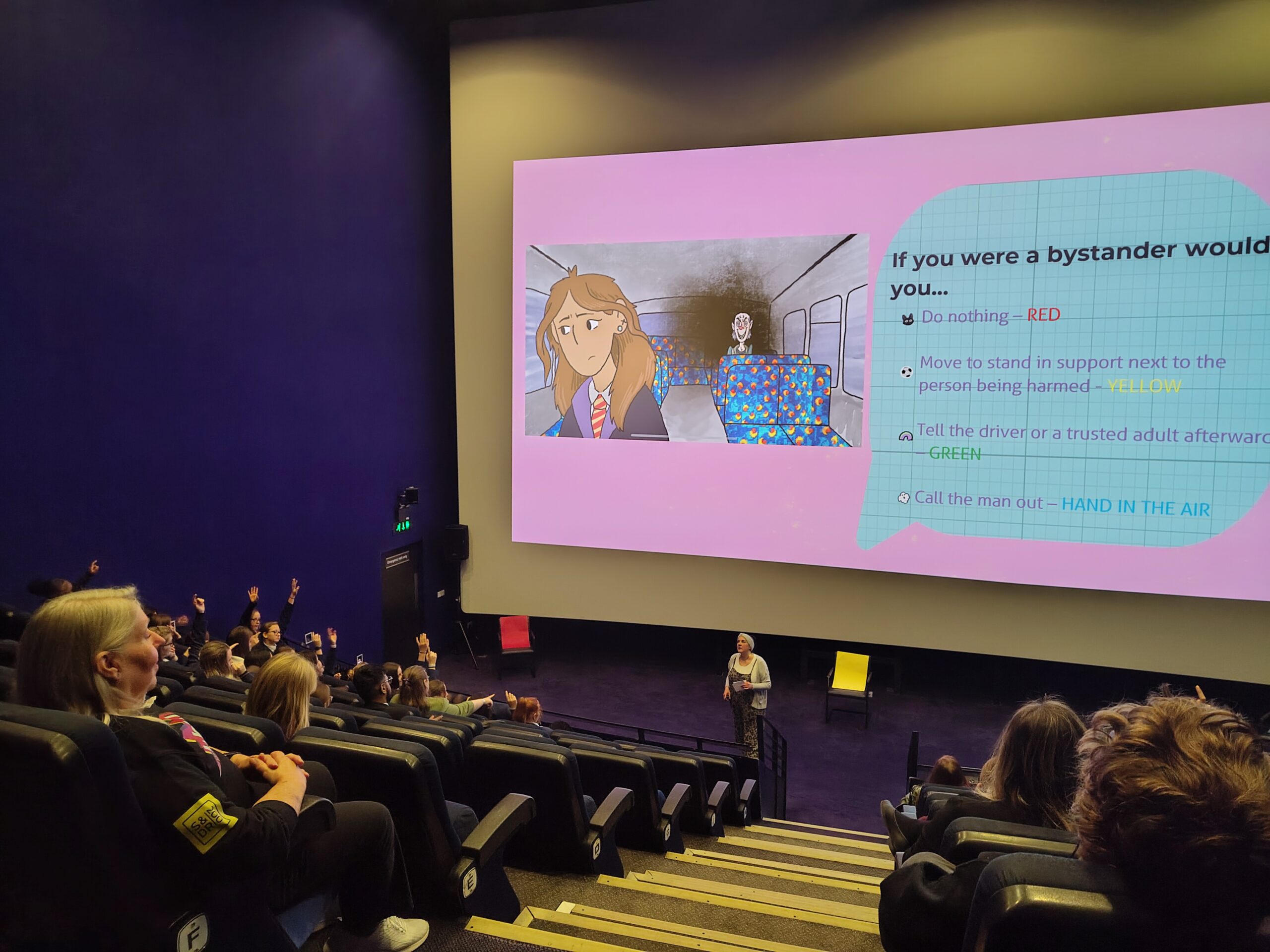
We shared the animation in a lesson and assembly to Year 9 students at Park View School, with a pilot CPD for teachers and a series of webinars with professionals across the country, including 2 hosted by City St George’s University, 1 hosted by CRIVA and 1 hosted by Rape Crisis England and Wales. We were invited to share the animation and run a linked workshop for schools visiting the Gala Theatre as part of the first WOW Festival in the North East.
Our
Impact
Book our creative facilitators to deliver a workshop using Weaving Stories to explore consent, bystander action or the impact of so-called “low-level” behaviour with your students. Get in touch
Related materials
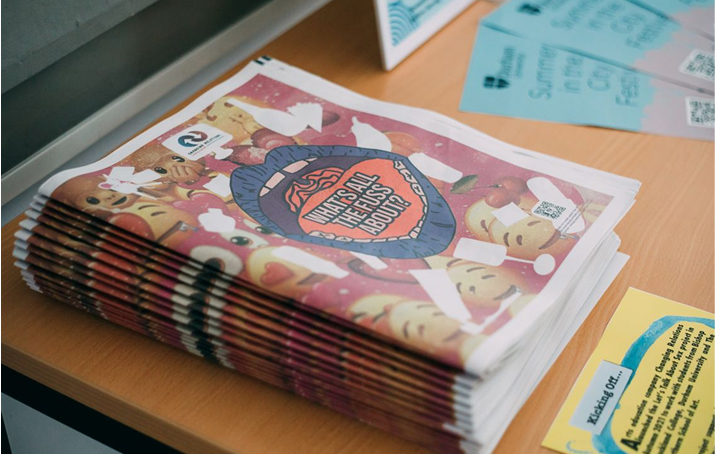
What’s All the Fuss About
Purchase one or more images from What’s All the Fuss About? in poster or postcard form to send to a friend or display in your school, youth group or community centre.
Find out more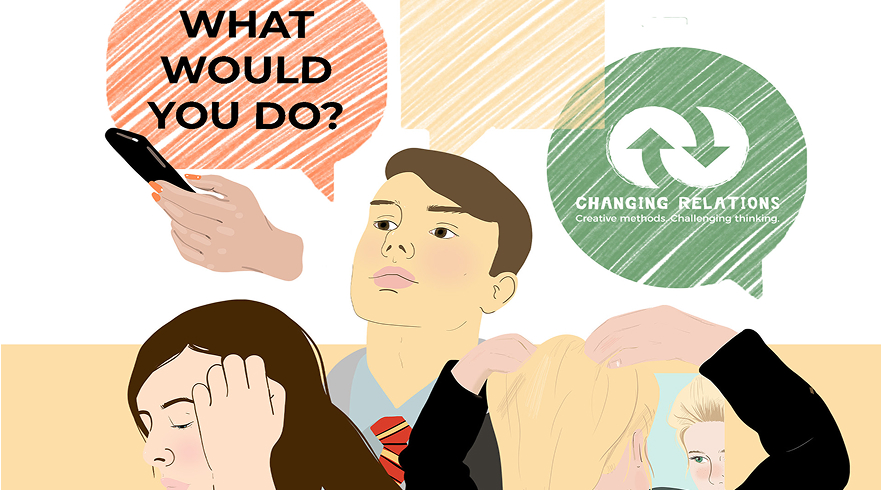
What Would You Do?
Purchase a digital or hard copy of our Sexting-themed educator toolkit What Would You Do? This comes with a short film co-created with young people and can be used to develop understanding around the laws, risks and consequences associated with sending intimate images.
Find out more