

Director’s Blog – Lisa Charlotte Davis
The even more sickening news that 50+ young men in a group chat neither challenged the offer to join in the rape of a young woman too incapacitated to consent nor called the police to report this harmful and unlawful sexual activity.
And then today, reports of the “horrifying” scale of child-on-child sexual abuse in British schools:
⚖️ Close to 5 sexual crimes against children aged 12 and younger were recorded on average by police every day in primary and secondary schools in England and Wales between 2021-25.
⚖️ One allegation of rape at a school is received by the police every day.
⚖️ More than 1/3 of these rape victims were under 13.
⚖️ 2/3 of reported crimes involved female victims.
(Source)
What does this tell us?
We absolutely have to be addressing harmful sexual attitudes and behaviours with young people as early as primary school.
Not just to prevent future cases like Cornell. We’ve got children far younger than University students who are choosing to behave harmfully towards other children.
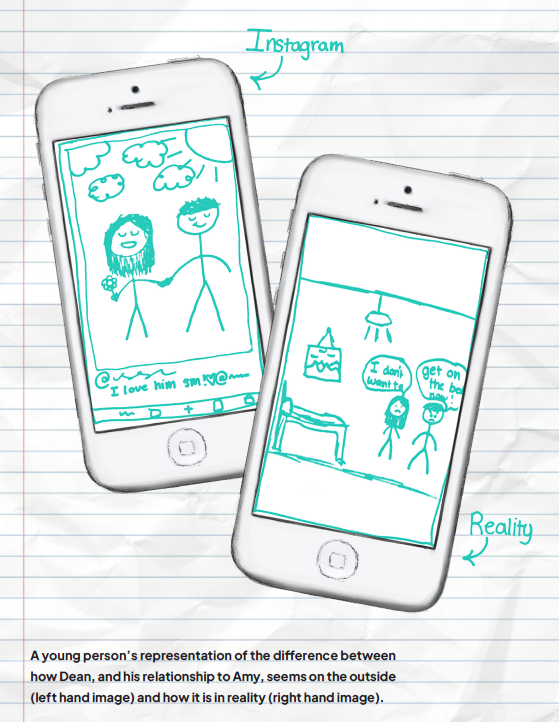
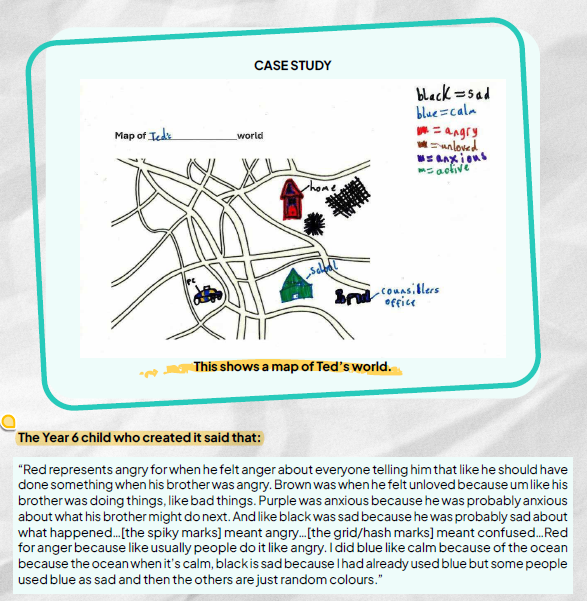
For me, the most striking learning points from the process of creating our Weaving Stories of Peer Sexual Abuse animation were:
💡 The degree to which “low-level” behaviours are overlooked and normalised, yet research suggests that settings where this level of activity is not addressed are precisely the context in which more extreme incidences are more likely to occur.
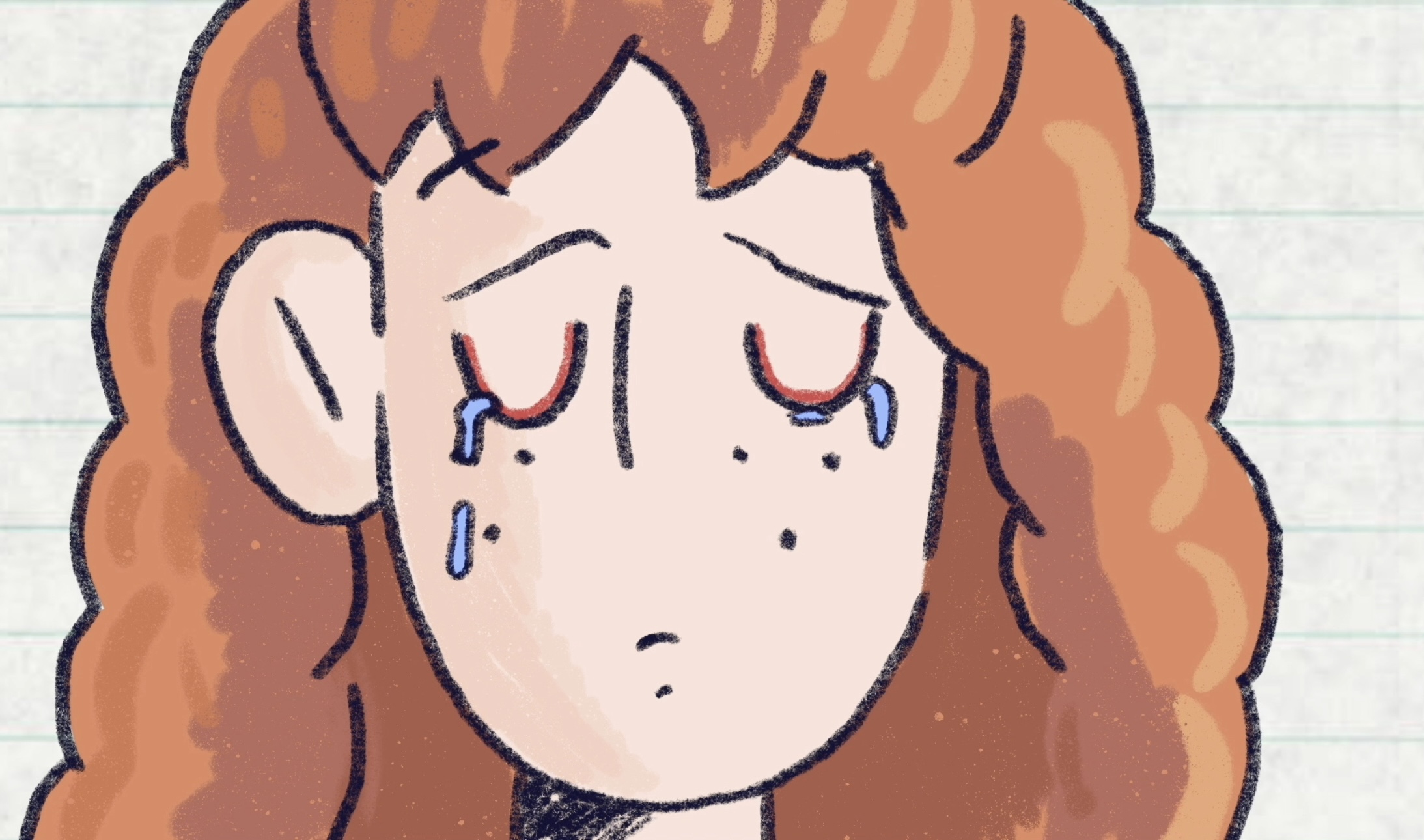
💡The emphasis within our animation on the impact of these behaviours on the young people experiencing them helped other young people to recognise that even these “low-level” behaviours are not harmless.
💡The degree of impact on the young people engaging in our animation was noticeably greater for boys, which would seem to fit with the findings from Ofsted‘s 2021 report on Sexual Abuse within Schools, that found a significantly gendered perception gap, with boys much less likely to think sexual abuse (particularly contact forms) was occurring than girls, i.e. if the starting point of awareness is lower, the potential for learning is potentially greater.
If “boys are overwhelmingly the perpetrators” of harmful sexual behaviour, even where other boys are the victims (Source), it is absolutely critical that work that engages boys is funded.
We need to help them recognise what is happening and what is not acceptable, the impact it has, and the ways in which they can respond if they see something one of their peers is doing that they now understand is highly likely to be harmful to the person on the receiving end.
We cannot have our boys getting to Higher Education and not being ready to call out the harmful behaviour of their peers.
Image credit: Tom Kindley