

Case Study
Durham University
Developing and disseminating creative approaches to challenging gender stereotypes and harmful sexual behaviours with students from three Durham University colleges
A conversation with student leaders at the College of St Hild and St Bede in September 2020 revealed perceptions that men and women are judged differently, with women more likely to be questioned about whether they are worthy of leadership roles. There was a sense that men experience pressure to conform to stereotypes, in particular within group cultures, but that to some extent gender discrimination had “gone underground.” This led to a multi-year collaboration, going on to encompass Hatfield College and University College in subsequent years.
The developing picture
The initial focus of the commission centred on challenging gender stereotypes to create a more inclusive culture in college where students would be more prepared to call out harmful sexist “bants.” As the collaboration developed, the student views we gathered indicated that sexual violence and harassment were part of the picture of gender inequality at university that they were concerned with.
We found that 25% of young people were worried about their peers’ attitudes around relationships and sexual behaviour, with 38% feeling unsafe in the face of those attitudes and that their peers did not have access to healthy, inclusive, consensual, respectful messaging around sexual relationships, whilst 47% did not feel that unhealthy, unequal or inappropriate sexual attitudes and behaviours were effectively challenged amongst their peers.
What we delivered together
Who Wears the Trousers zine
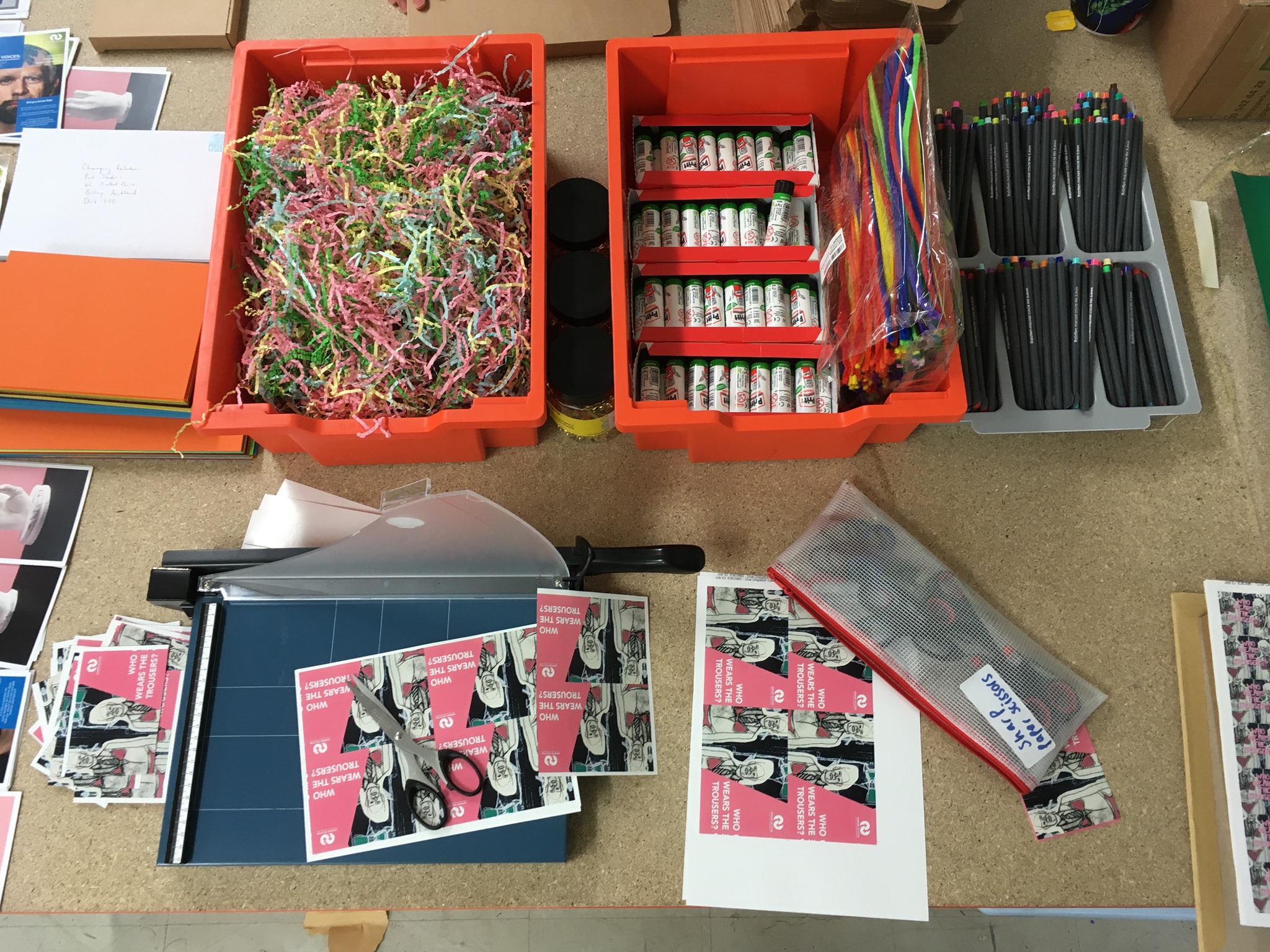
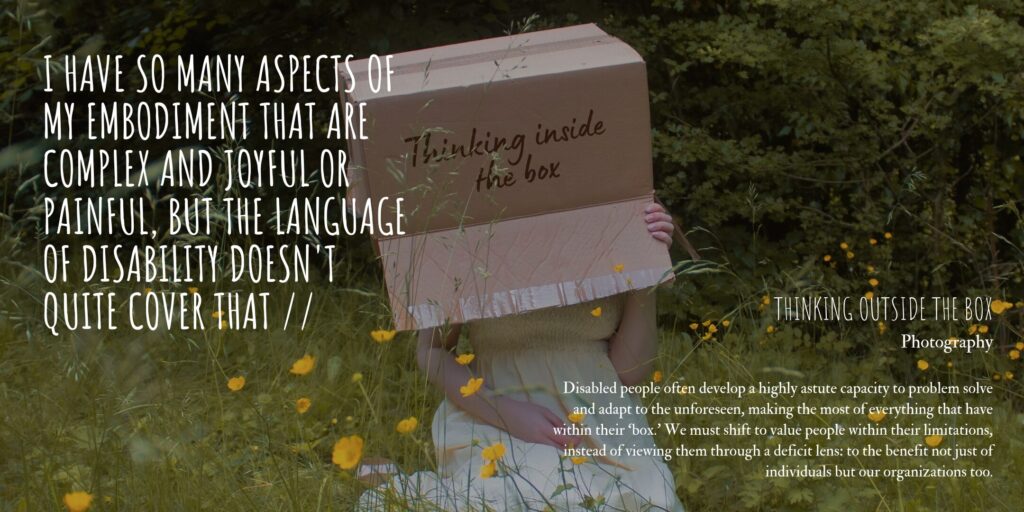
Initial plans to install our Stepping Out Of the Box exhibition in the College of St Hild and St Bede were foiled by the Covid-19 lockdown. To ensure engagement, artists Rupert Philbrick and Polly Turner created a zine that collated our gender stereotype-busting content together with DIY creative activities and a crossword, posted out to isolating students.
Animation and FREP workshop
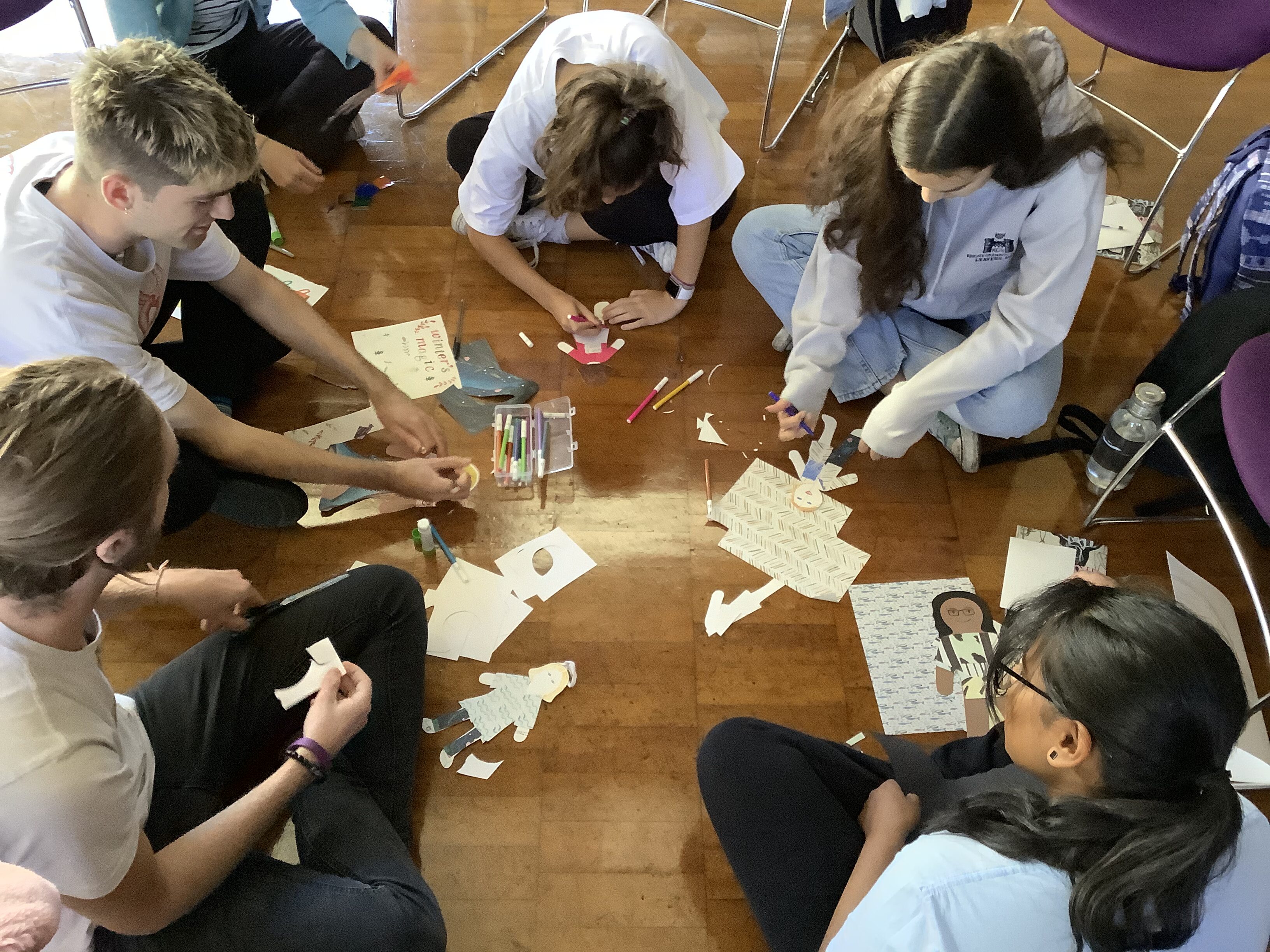
A follow-up commission involved incorporating this content into an animation that could be used in a workshop for the students volunteering to support “Freshers” adjust to university life, with an additional screening for staff members to enhance their readiness to notice and call out sexist language and behaviour.
From Hild Bede, to “Castle” and Hatfield
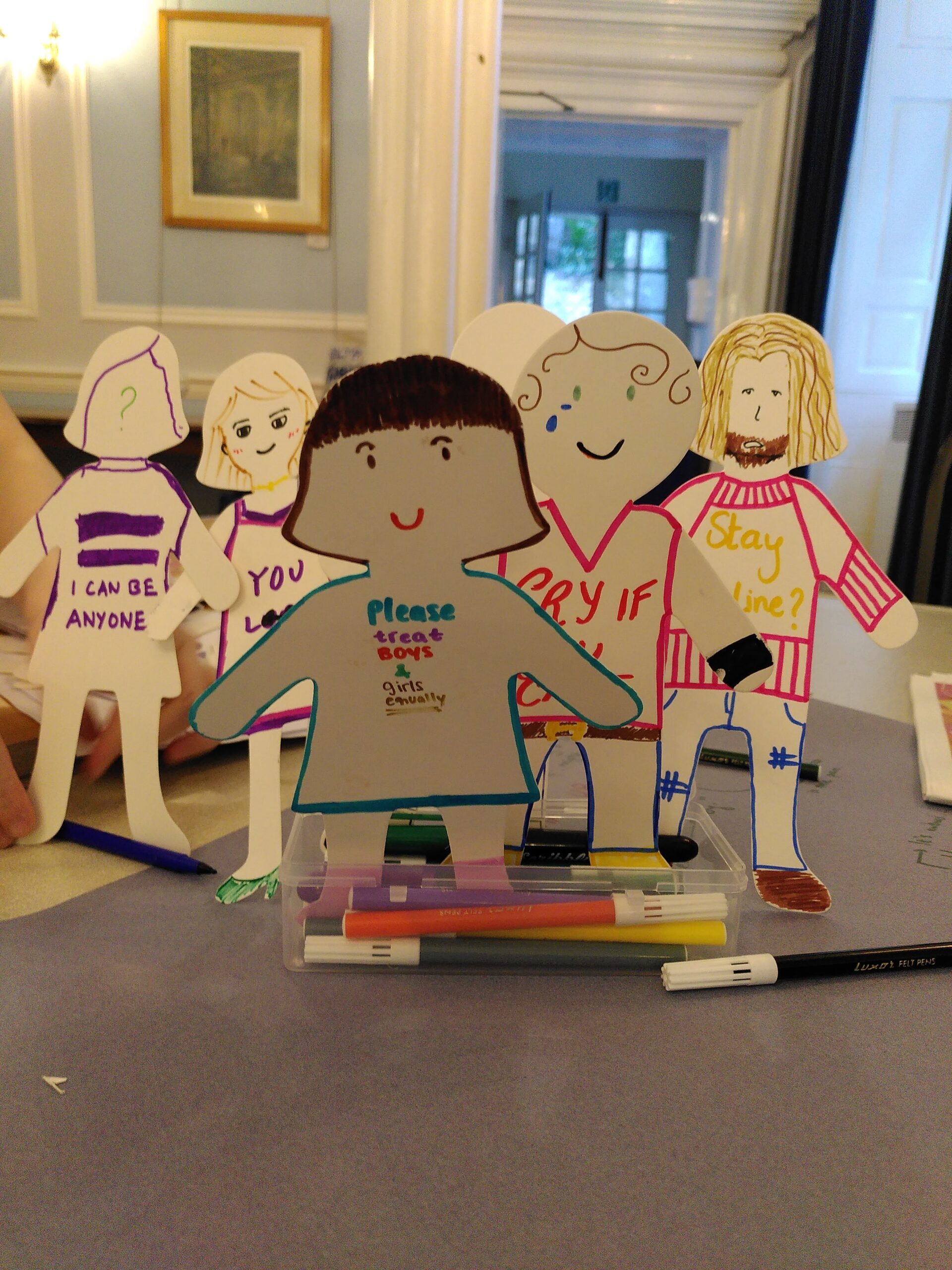
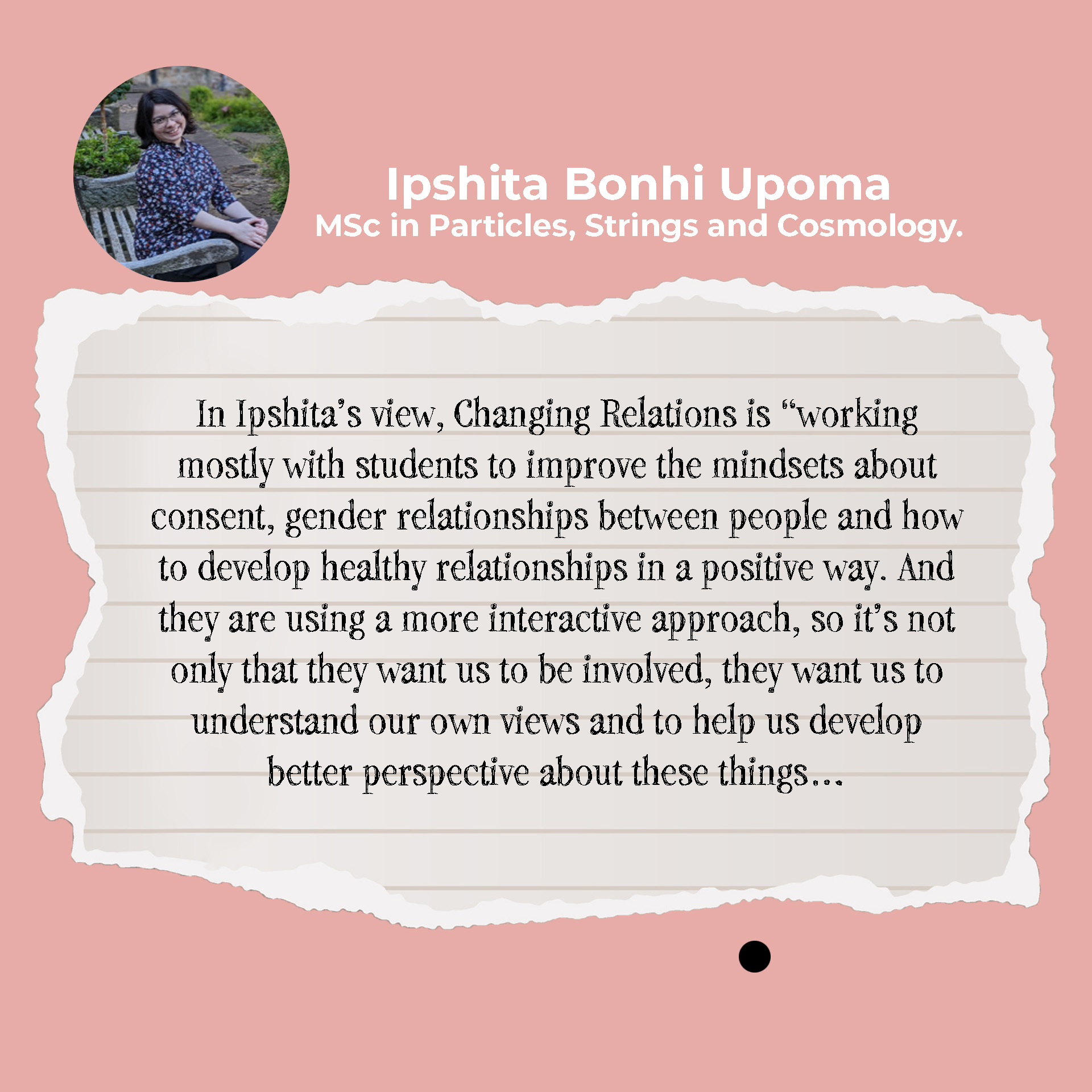
Keen to continue working with us, the Hild Bede Principal collaborated with two additional fellow heads of college to raise funds for an extended phase of work in which we incorporated the artwork from our Let’s Talk About Sex project, engaging students from across the three colleges to join a Working Group to shape learning for their peers.
Co-producing peer learning
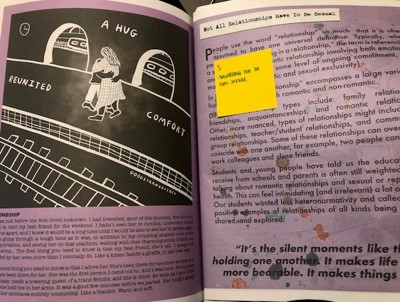
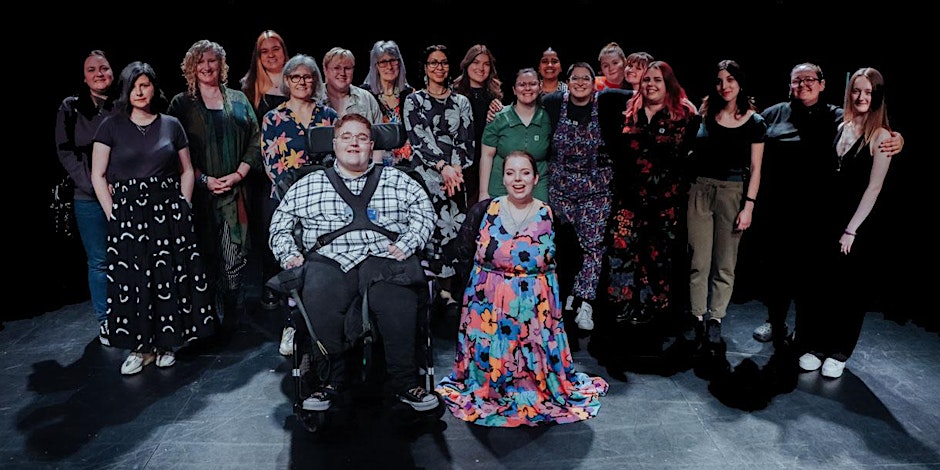
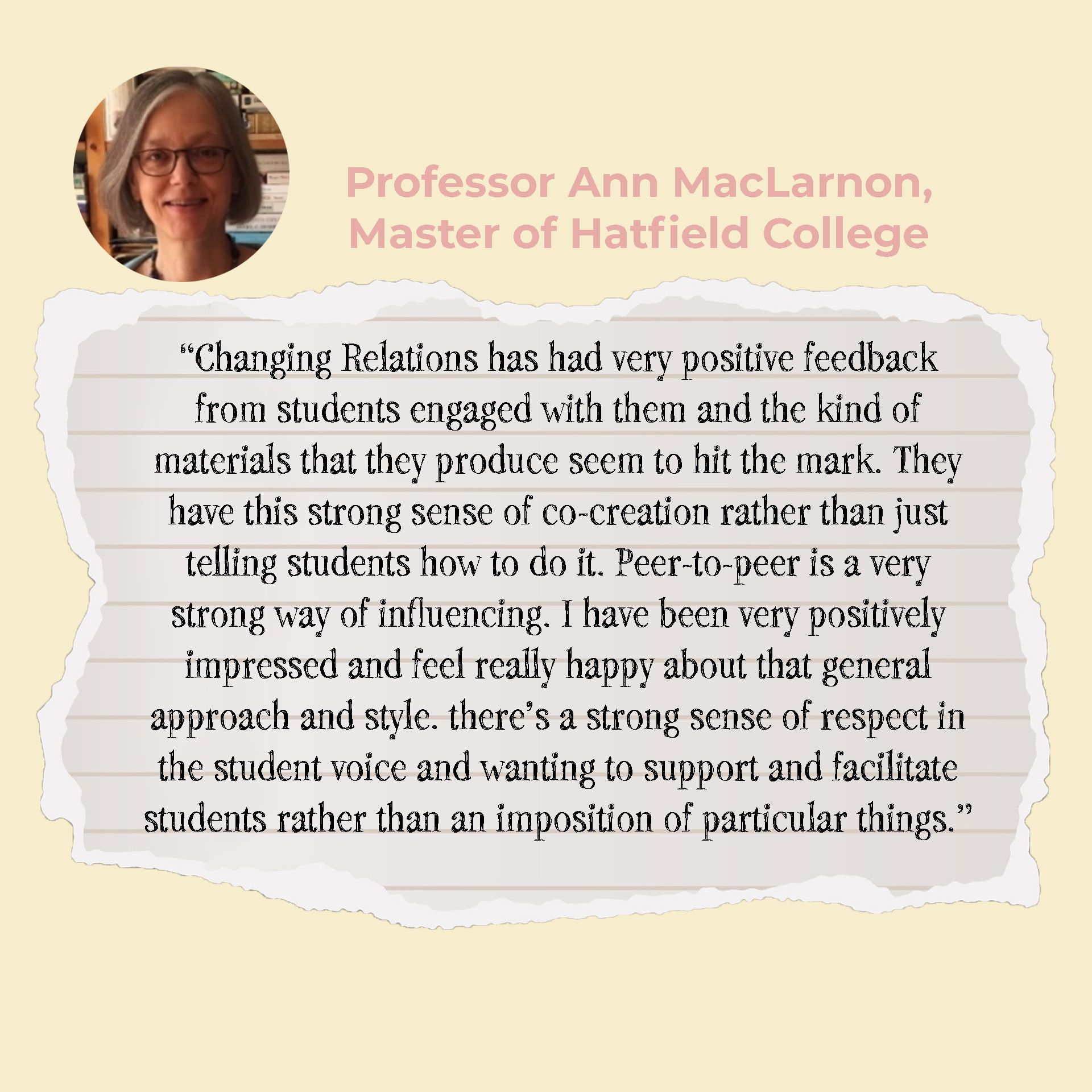
We worked with a super-committed group of students over a period of several months, designing a series of three workshops on themes chosen by the young people. Supported by creative facilitator, Jayne Johnson, the group developed learning objectives, session plans and resources based around our artistic portfolio, planning the target audience for each session and which of them would deliver.
Digital and in-person engagement
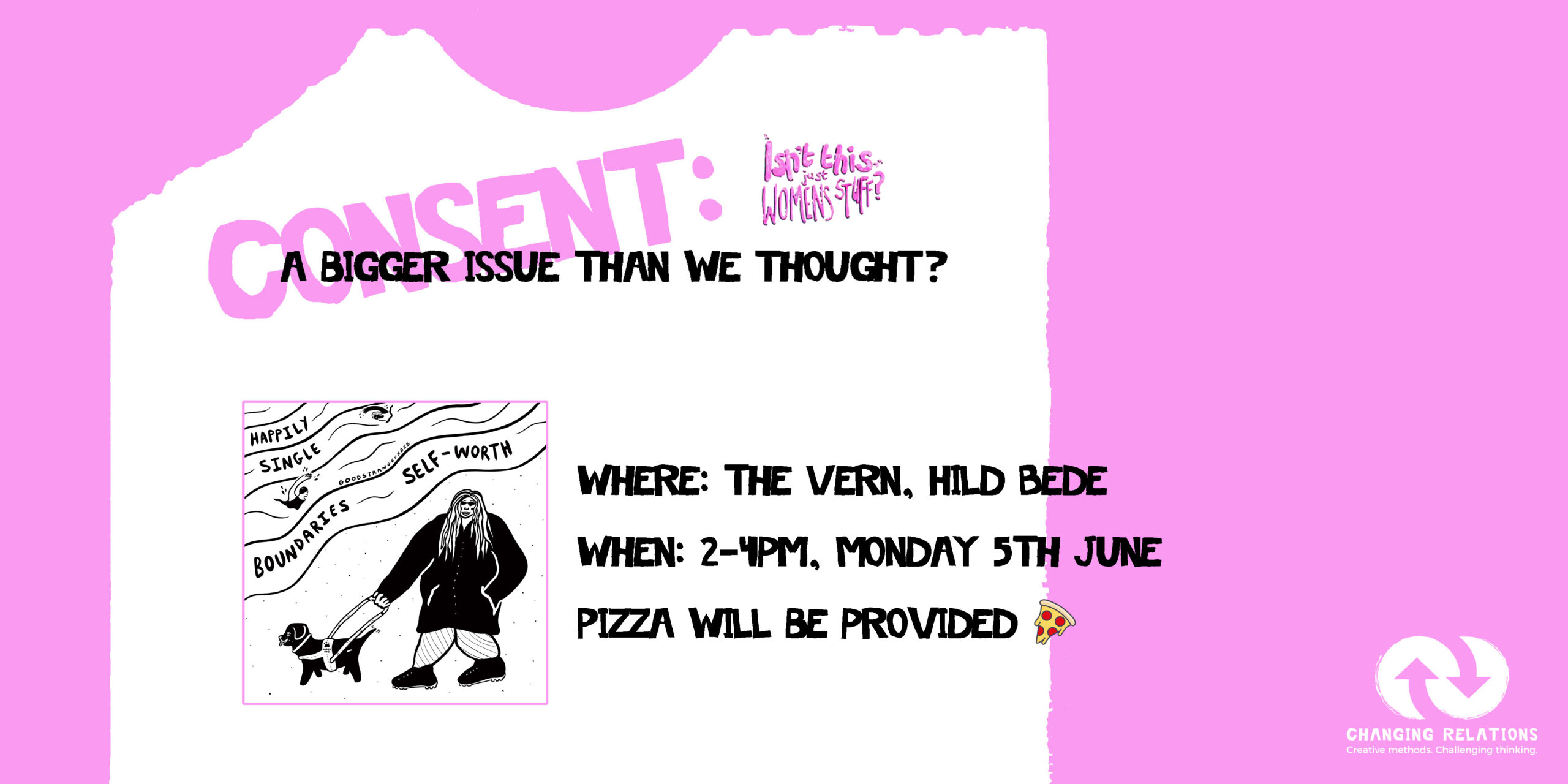
At the end of the academic year, the students delivered workshops to their peers themed around a more inclusive vision of leadership, what healthy relationships look like, and a deep dive into sexual consent. They designed a linked social media campaign and were supported by our MD Lisa Charlotte Davis to present the project outcomes to Durham University Heads of College.
Outcomes

Issue-based confidence
All of the Working Group said that, as a result of this project, they had intervened when they had observed inappropriate behaviour, with 80% reporting/supporting people they know to report and 60% helping people to access support.

Increase in skills
80% of our Working Group felt they developed leadership skills through the project, with 60% more likely to take on more challenging leadership roles than those they had considered to date.

Participant insight
Participants of our peer learning sessions changed their perceptions, recognised behaviours they’d like to change and were more likely to stop “being complicit” and “letting normalised stuff past.”
Our
Impact
We can work with your staff and students in a way that suits you.
Get in touch
Testimonial, undergraduate student
Watch the video
Testimonial, Jay
Watch the video
Testimonial, College Principal
Watch the video
More Case Studies
More Case Studies