
Director’s Blog – Lisa Charlotte Davis
This has allowed me to recognise the pattern of thinking for what it is rather than a true reflection of how things are; and to put in place the checks for reassurance that I need when my internal interference fails to quieten the thoughts that I must have annoyed / upset / disappointed someone.
It’s quite hard work!
But better to understand than to be stuck thinking “why am I like this?” and feeling ashamed that I’m a person who experiences a lot of emotional turmoil.
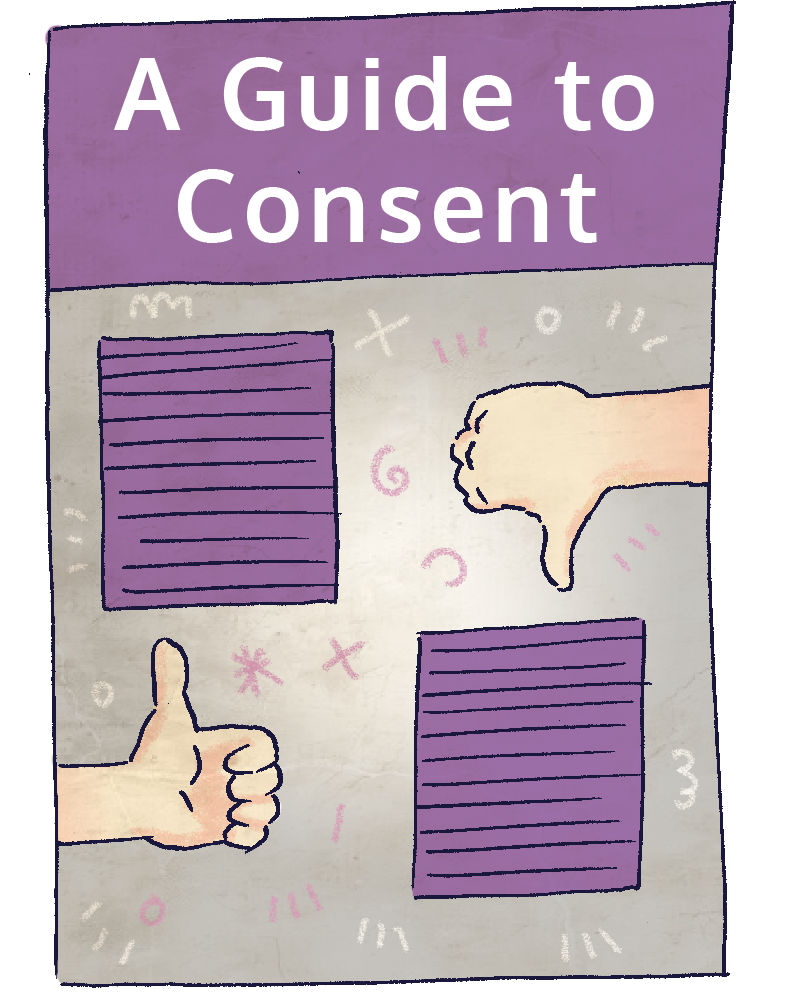
Bearing in mind that my brain is a bit like a multi-coloured, swirly-patterned, neon spider diagram, I’ve been wondering whether there’s anything useful about this framework for teaching about consent.
It isn’t always easy when people say no. The feeling of rejection that floods our brains can be overwhelming.
Obviously we all need to be able to put boundaries in place and everyone has a right to say no to people, activities, experiences they don’t want, have capacity for, aren’t ready for…
Learning how to do this has been a big priority for me after a burnout experience a couple of years ago.
But I’m also very conscious of my own reactions when I’m on the receiving end of a No. And I am someone who absolutely wants to respect and not override anyone else’s boundaries.
It got me thinking that maybe we need to open a space to talk about not just how we set boundaries but also how we deal with the discomfort of being on the receiving end when someone else places a boundary.
Because it IS uncomfortable and I think we need to be honest about that.
It’s easier to deal with difficult feelings if we know it’s normal to have them and that having them doesn’t make us a terrible person.
It’s what we do with that discomfort that’s important.
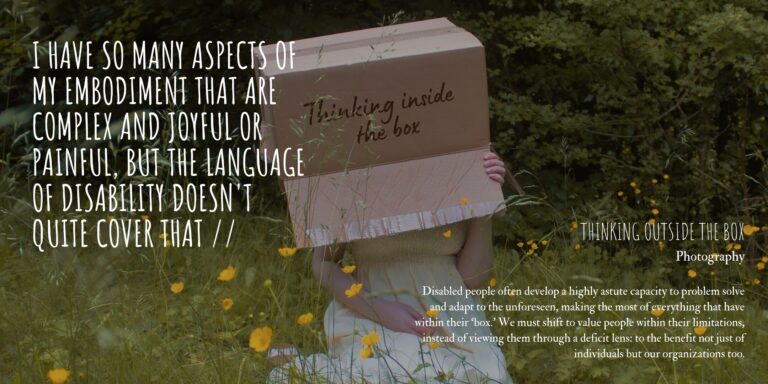
Image credit: Tom Kindley