
The language we choose affects whether people feel able to talk about their experiences and their behaviours.
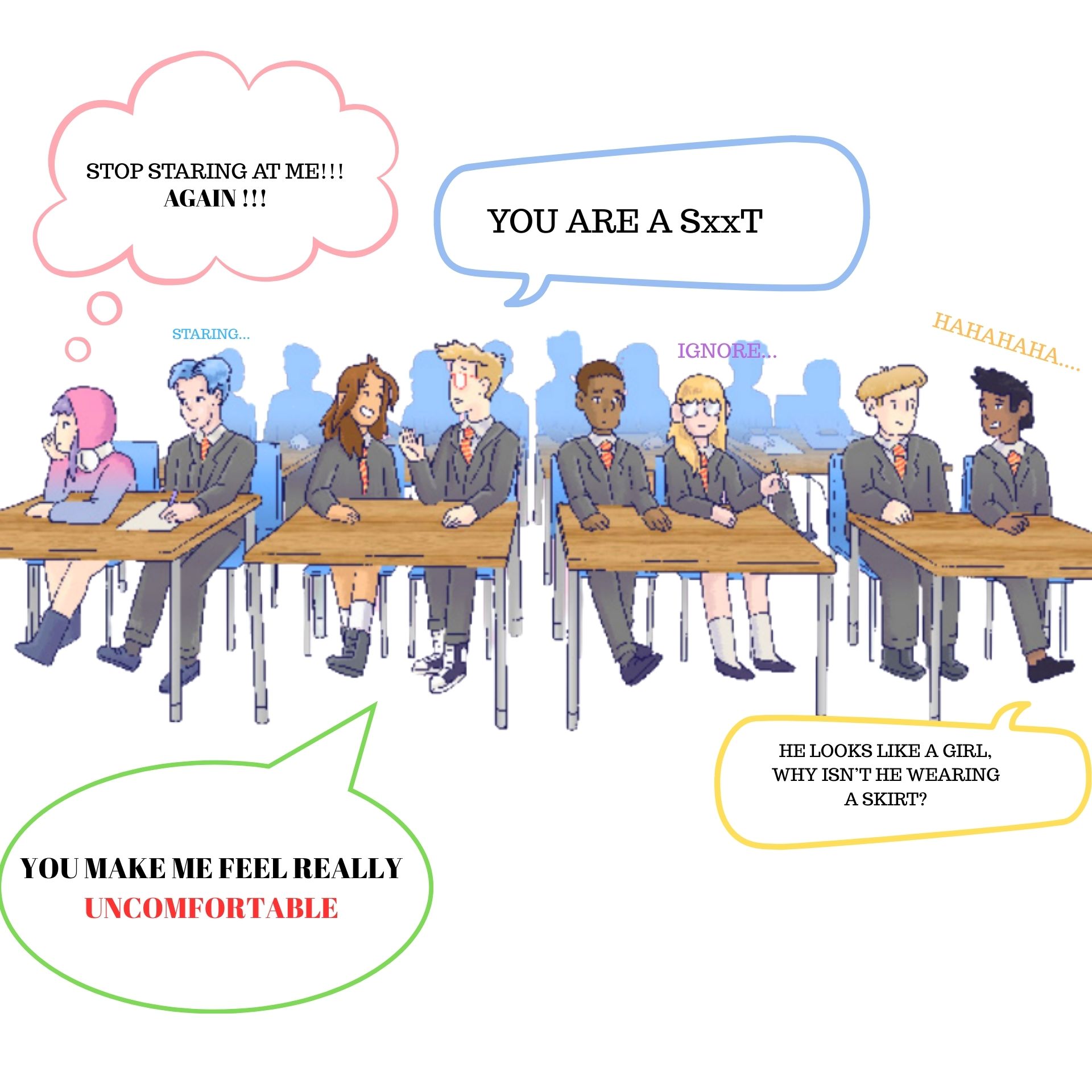
Instead of using the term Peer Sexual Abuse, our academic evaluator Dr Janelle Rabe introduced the concept of discomfort and suggested we invite young people to think about the behaviours that make them feel “uncomfortable”.
This enabled a wide variety of experiences, behaviours and attitudes to be discussed, not only enabling a fuller picture to be created but also enabling young people to learn that others had had similar experiences too.
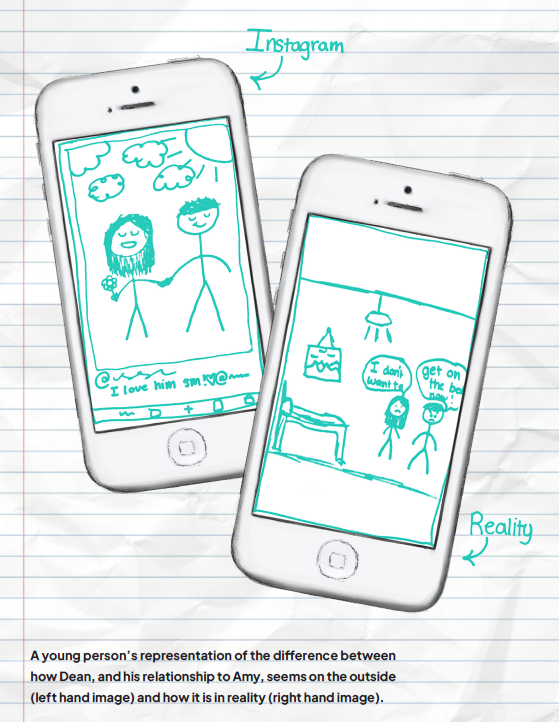
Young people talked about people smiling at them. About people staring at them. Whistles. Inappropriate comments. Name-calling. Requesting nude pictures to be sent. All within the frame of things that make them feel “uncomfortable”.
Not having to judge whether something was serious enough to count as “sexual abuse” made it easier for young people to talk about their experiences, which covered a wide range of impacts.
Thank goodness we didn’t use the term “low level” which is how Ofsted describe some of the sexual attitudes and behaviours in schools that can tend to be overlooked.
Which of these things wouldn’t have come up if we had?
Which of these things don’t matter?
Which of these things would the young people working with us have felt they “ought” not to admit to bothering them, even though they do?
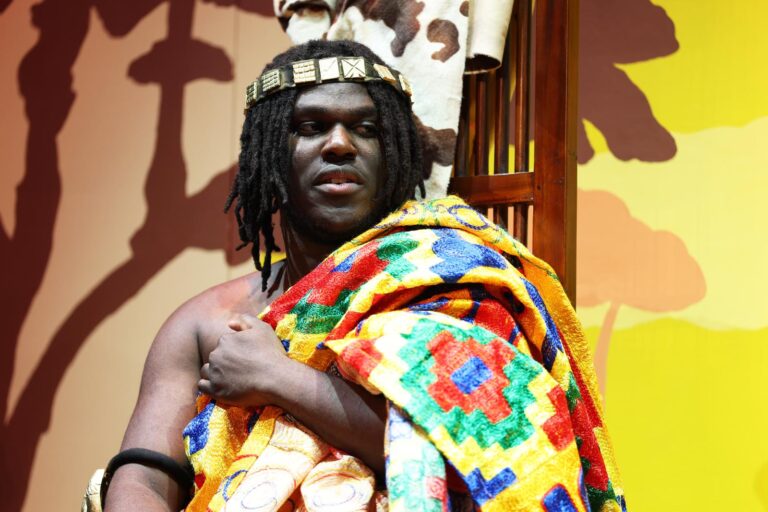
If you would like our creative team to use the Weaving Stories animation to support your staff to gain an insight into young people’s experiences of peer sexual abuse, get in touch – info@changingrelations.co.uk
Image credit Tom Kindley and our Durham University student intern Savannah.